Ask HN2022
Which books do you consider real gems in your field of work/study?
262 comments named 159 books. The one named most: Designing Data-Intensive Applications, by 5 people.
The 12 named most
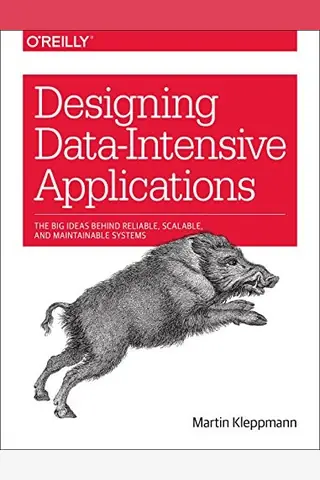
1Designing Data-Intensive Applications
Martin Kleppmann
named by 5
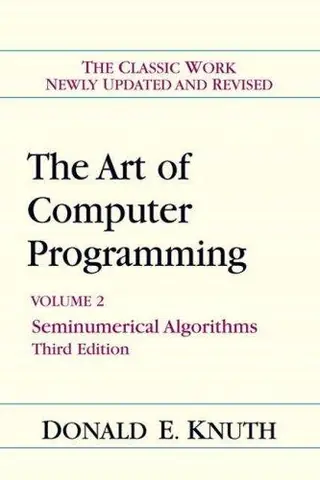
2The art of computer programming
Donald Knuth
named by 3
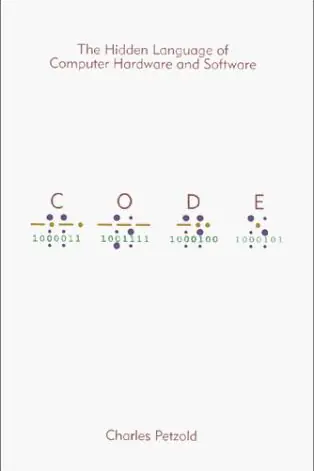
3Code
Charles Petzold
named by 3
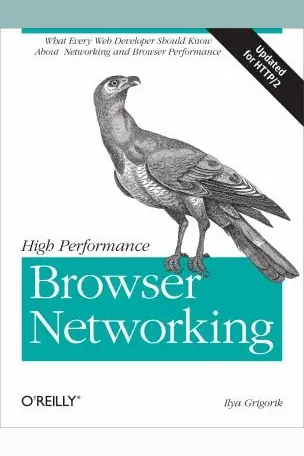
4High Performance Browser Networking
Ilya Grigorik
named by 3
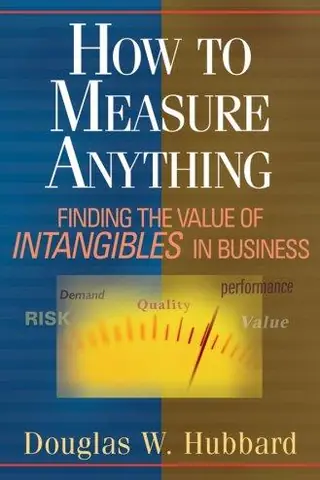
5How to Measure Anything
Douglas W. Hubbard
named by 3
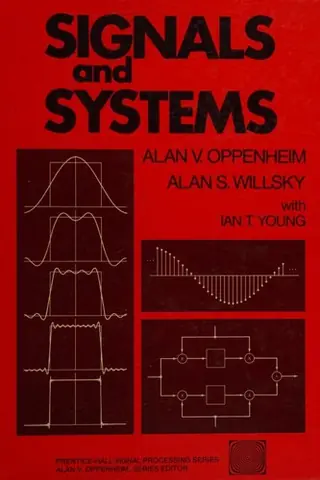
6Signals and Systems
Alan V. Oppenheim, Alan S. Willsky
named by 3
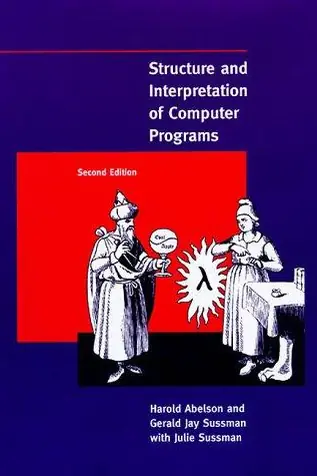
7Structure and Interpretation of Computer Programs
Harold Abelson, Gerald Jay Sussman
named by 2
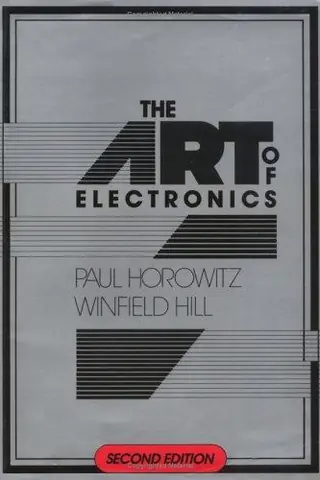
8The art of electronics
Paul Horowitz, Winfield Hill
named by 2
- The Glass Bead GameHermann Hesse
9The Glass Bead Game
Hermann Hesse
named by 2

10An Elegant Puzzle
Will Larson
named by 2
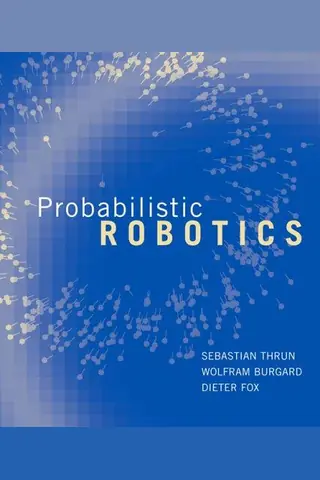
11Probabilistic robotics
Sebastian Thrun, Dieter Fox
named by 2
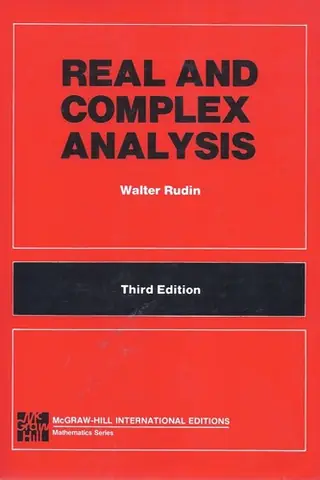
12Real and complex analysis
Walter Rudin
named by 2
What people said
One comment from the thread for each, cut to the part that says why. Amazon links are affiliate links. As an Amazon Associate I earn from qualifying purchases.
Designing Data-Intensive Applications Martin Kleppmann, 2017 · named by 5
“Designing Data Intensive Applications is one of the most useful books if you work with big systems. Doubly so if you're actually working on a system like that. Nicely threads a line between too dense and too watery.”
The art of computer programming Donald Knuth, 1968 · named by 3
“Software engineering: The Mythical Man-Month. Computer science: Knuth's TAOCP.”
Code Charles Petzold, 2000 · named by 3
“Code by Charles Petzold. I read this around 2010 for the first time. There isn't really anything in it I didn't know, but the material is just so amazingly well presented that it helped me realize there were things I…”
High Performance Browser Networking Ilya Grigorik, 2013 · named by 3
“I always found it hard to learn about networking from the traditional textbooks and this answered a lot of the questions that I always wondered about.”
How to Measure Anything Douglas W. Hubbard, 2007 · named by 3
“"how to measure anything" by douglas hubbard is a good one especially if you work in a product focused role”
An Elegant Puzzle Will Larson, 2019 · named by 2
“An Elegant Puzzle: Systems of Engineering Management By Will Larsen When I my company was acquired by a very-big-Giant, my personal antibodies reacted negatively to the how the big G's way of thinking and doing – I was…”
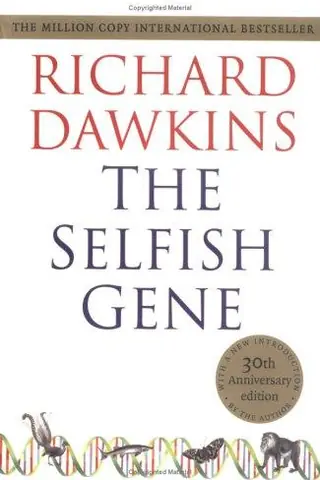
The Selfish Gene Richard Dawkins, 1976 · named by 1
“The Selfish Gene should be read by everyone who studies biology or life science.”
Also named by more than one person
7 more books, in the same order.
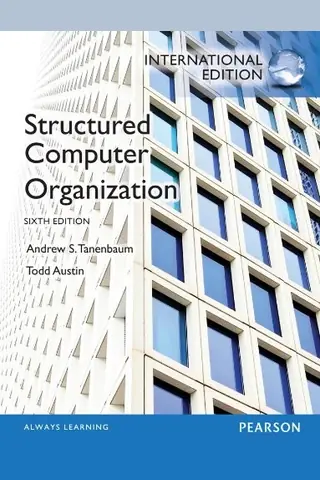
Structured Computer Organization
Andrew S. Tanenbaum
named by 2
Find on Amazon
The Ancestor's Tale
Richard Dawkins
named by 2
Find on Amazon
The Jazz Theory Book
Mark Levine
named by 2
Find on Amazon
Effortless Mastery
Kenny Werner
named by 2
Find on Amazon
Managing the Professional Service Firm
David H. Maister
named by 2
Find on Amazon
The Discarded Image
C. S. Lewis
named by 2
Find on Amazon- Linear Representations of Finite GroupsJean-Pierre Serre, Leonhard L Scott
Linear Representations of Finite Groups
Jean-Pierre Serre, Leonhard L Scott
named by 2
Find on Amazon
140 books named once
- Gödel, Escher, Bach Douglas R. Hofstadter
- Thinking, fast and slow Daniel Kahneman
- Snow Crash Neal Stephenson
- The Pragmatic Programmer Andy Hunt, Dave Thomas
- Zen and the Art of Motorcycle Maintenance Robert M. Pirsig
- Neuromancer William Gibson
- The Little Schemer Daniel P. Friedman, Matthias Felleisen
- Peopleware Tom DeMarco, Timothy Lister
- Don't Make Me Think Steve Krug
- The C Programming Language Brian W. Kernighan, Dennis M. Ritchie
- The Selfish Gene Richard Dawkins
- The Elements of Style William Strunk, Jr., E. B. White
- Brave New World Aldous Huxley
- The Cuckoo’s Egg Clifford Stoll
- Compilers, principles, techniques, and tools Alfred V. Aho, Monica S. Lam
- The Feynman Lectures on Physics Richard Phillips Feynman
- Programming Pearls Jon Bentley
- How to Read a Book Mortimer J. Adler, Charles Lincoln Van Doren
- The Elements of Statistical Learning Trevor Hastie, Robert Tibshirani
- Concrete mathematics Ronald L. Graham, Donald Knuth
- Antifragile Nassim Nicholas Taleb
- Types and Programming Languages Benjamin C. Pierce
- The E-myth revisited Michael E. Gerber
- Thinking in systems Donella H. Meadows
- Advanced programming in the Unix environment W. Richard Stevens, Stephen A. Rago
- Artificial Intelligence Stuart J. Russell, Peter Norvig
- Linux Programming Interface Michael Kerrisk
- The Dream Machine M. Mitchell Waldrop
- Hacker's Delight Henry S. Warren Jr.
- The Structure of Scientific Revolutions Thomas S. Kuhn
- The Visual Display of Quantitative Information Edward R. Tufte
- Physically Based Rendering Matt Pharr, Greg Humphreys
- Exhalation Ted Chiang
- Rich Dad, Poor Dad Robert T. Kiyosaki, Sharon L. Lechter
- Probability Theory E. T. Jaynes
- Statistical Rethinking Richard McElreath
- Principles Ray Dalio
- Higher-Order Perl Mark Jason Dominus
- The Nature of Code Daniel Shiffman
- Concepts, techniques, and models of computer programming Peter Van Roy, Seif Haridi
- Introduction to the theory of computation Michael Sipser
- Republic Plato
- Computer architecture John L. Hennessy, David A. Patterson
- Mastering Regular Expressions Jeffrey E. F. Friedl
- TCP/IP Illustrated W. Richard Stevens, Kevin R. Fall
- Foucault's Pendulum Umberto Eco
- The art of doing science and engineering Richard Hamming
- Understanding Comics Scott McCloud
- Unix Network Programming W. Richard Stevens, Bill Fenner
- Molecular Biology of the Cell Bruce Alberts, Alexander Johnson
- Mastery Robert Greene
- Ishmael Daniel Quinn
- Secrets of Consulting Gerald M. Weinberg
- Progress and poverty Henry George
- The Principles of Product Development Flow Donald G. Reinertsen
- The God Delusion Richard Dawkins
- The inmates are running the asylum Alan Cooper
- Inspired Marty Cagan
- Seven Languages in Seven Weeks Bruce Tate
- Show-Stopper! G. Pascal Zachary
- Good Strategy, Bad Strategy Richard P. Rumelt
- The Art of Game Design Jesse Schell
- Real-time rendering Tomas Möller
- The Lifecycle of Software Objects Ted Chiang
- The seasoned schemer Daniel P. Friedman
- Database Internals Alex Petrov
- Critique of Pure Reason Immanuel Kant
- Simulacra and Simulation Jean Baudrillard
- Team Topologies Matthew Skelton, Manuel Pais
- An introduction to general systems thinking Gerald M. Weinberg
- Tractatus logico-philosophicus Ludwig Wittgenstein, Isidoro Reguera Pérez
- A genealogy of morals Friedrich Nietzsche
- Essentials of Compilation Jeremy G. Siek
- A discipline of programming Edsger Wybe Dijkstra
- Gravitation Charles W. Misner
- Data and Reality William Kent
- Theory of Fun for Game Design Raph Koster
- Distributed Systems Andrew S. Tanenbaum, Maarten Van Steen
- Six Easy Pieces Richard Phillips Feynman, Paul Davies
- Principles of neural science Eric R. Kandel, James H. Schwartz
- Transaction processing Gray, Jim
- Naming and necessity Saul A. Kripke
- The art of insight in science and engineering Sanjoy Mahajan
- Getting Real 37 Signals, Jason Fried
- Classical electrodynamics John David Jackson
- Ecology of the Planted Aquarium Diana L. Walstad
- Elementary calculus H. Jerome Keisler
- The planiverse A.K. Dewdney
- A Common-Sense Guide to Data Structures and Algorithms Jay Wengrow
- The jazz piano book Mark Levine
- Microelectronic circuits Adel S. Sedra, Kenneth C. Smith
- Feedback Control for Computer Systems Philipp K. Janert
- Understanding Michael Porter Joan Magretta, Don Hagen
- The world as will and representation Arthur Schopenhauer
- The presentation of self in everyday life Erving Goffman
- Operating system design, the Xinu approach Douglas E. Comer
- Database design and implementation Edward Sciore
- Object-Oriented Analysis and Design with Applications Grady Booch
- The Alignment Problem Brian Christian
- Breaking the spell Daniel C. Dennett
- Principles of program analysis Flemming Nielson, Hanne Riis Nielson
- The Best Interface Is No Interface Golden Krishna
- Twitter and tear gas Zeynep Tufekci
- Récoltes et semailles A. Grothendieck
- From Bacteria to Bach and Back Daniel C. Dennett
- How Brands Grow Byron Sharp, Jenni Romaniuk
- The social construction of reality Peter L. Berger, Thomas Luckmann
- The shape of ancient thought Thomas McEvilley
- Alfred Tarski Anita Burdman Feferman, Solomon Feferman
- Janeway's immunobiology Kenneth P. Murphy, Kenneth Murphy
- My 60 memorable games Robert J. Fischer, Bobby Fischer
- The Breakdown of Nations Leopold Kohr
- Deep Learning for Coders with fastai and Pytorch Jeremy Howard, Sylvain Gugger
- Concepts of programming languages Robert W. Sebesta
- Modern Classical Physics Kip S. Thorne, Roger D. Blandford
- Vision David Marr
- Breakthrough advertising Eugene M. Schwartz, Eugene Schwartz
- Flexible Pattern Matching in Strings Gonzalo Navarro, Mathieu Raffinot
- Laboratory life Bruno Latour
- The web of life Fritjof Capra, Michael Prichard
- The Effective Manager [Paperback] Horstman,Mark Horstman,Mark, Matthew Dudley
- Unbanking of America Lisa Servon
- The large scale structure of space-time Stephen Hawking, G. F. R. Ellis
- Modern control engineering Katsuhiko Ogata
- A genetic switch Mark Ptashne, Klaus Dartmann
- Intuitive biostatistics Harvey Motulsky
- Molecular quantum mechanics Peter W. Atkins, R. S. Friedman
- Nature of the chemical bond Linus Pauling
- Chemistry Peter W. Atkins
- Culture of honor Richard E. Nisbett
- A method of programming Edsger Wybe Dijkstra, W. H. J. Feijen
- The Quest Daniel Yergin
- Existential psychotherapy Irvin D. Yalom
- White Kenya Hara
- Predicate calculus and program semantics Edsger Wybe Dijkstra
- The Art of Computer Programming, Volume 2 Donald Knuth
- Introduction to Heat Transfer Frank P. Incropera
- Power system stability and control P. Kundur
- A Child's Garden of Verses Robert Louis Stevenson
- Cloudmoney Brett Scott
How this was made
From the site’s data, as of the last data refresh: a book’s count is the number of different people in the thread who named it as an answer, or recommended it in a reply. Books without a page on this site are not counted.
Each quote is a short excerpt of one comment that names the book, picked by a fixed rule: among the 16 books named most, comments that recommend the book, are mostly about it and say why it matters come first. The quotes were then read by hand; where the rule’s pick missed the point, a better excerpt from the same thread replaced it (“…” marks a cut), or the book is shown without one. Follow the date to read the whole comment on Hacker News. All mentions are in the open dataset, mentions.csv.gz.