Ask HN2017
What language-agnostic programming books should I read?
337 comments named 148 books. The one named most: The Pragmatic Programmer, by 14 people.
The 12 named most
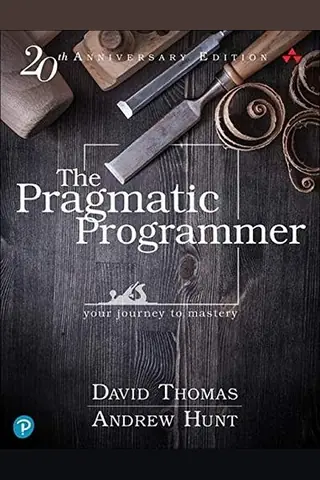
1The Pragmatic Programmer
Andy Hunt, Dave Thomas
named by 14
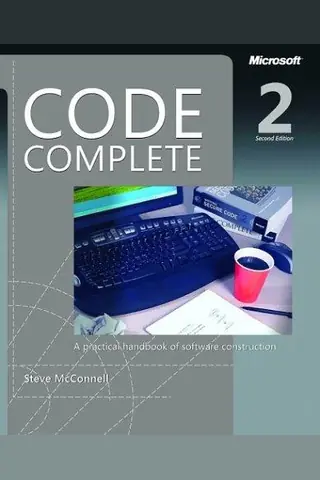
2Code Complete
Steve McConnell
named by 10
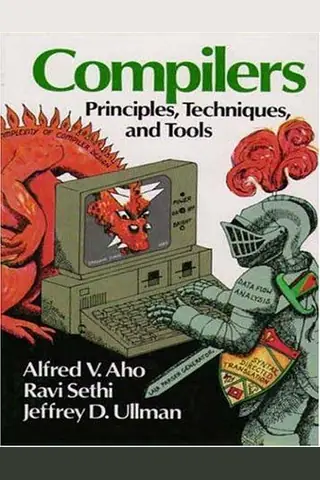
3Compilers, principles, techniques, and tools
Alfred V. Aho, Monica S. Lam
named by 8
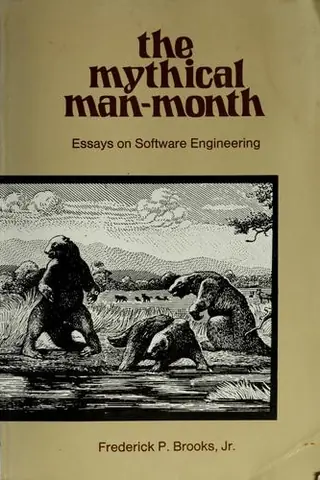
4The Mythical Man-Month
Frederick P. Brooks
named by 6
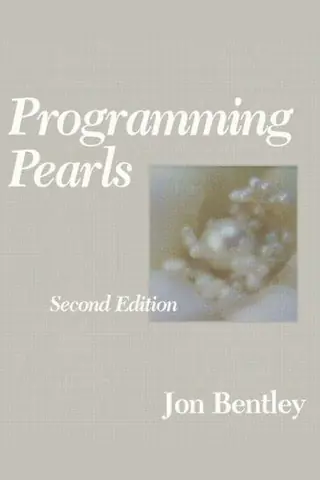
5Programming Pearls
Jon Bentley
named by 6
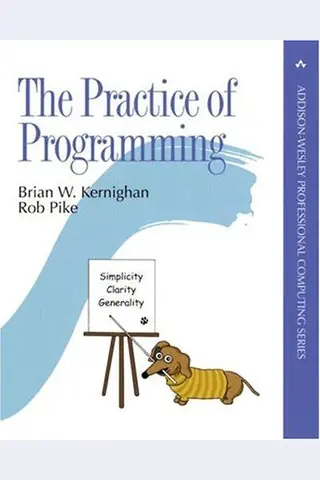
6The Practice of Programming
Brian W. Kernighan
named by 6
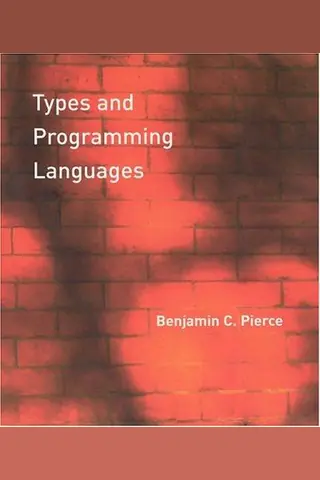
7Types and Programming Languages
Benjamin C. Pierce
named by 5
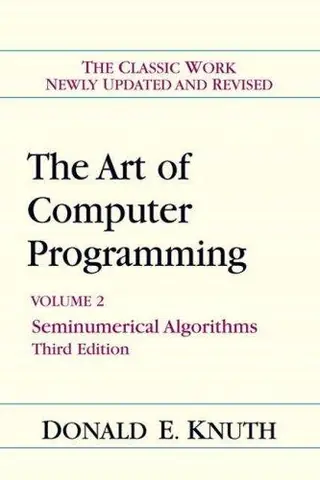
8The art of computer programming
Donald Knuth
named by 5
9The art of UNIX programming
Eric S. Raymond
named by 5
10Clean Code
Robert C. Martin
named by 4
11Working effectively with legacy code
Michael C. Feathers
named by 4
12Advanced programming in the Unix environment
W. Richard Stevens, Stephen A. Rago
named by 4
What people said
One comment from the thread for each, cut to the part that says why. Amazon links are affiliate links. As an Amazon Associate I earn from qualifying purchases.
The Pragmatic Programmer Andy Hunt, Dave Thomas, 1999 · named by 14
“I read it when I just started programming… and, looking back, didn't really get it… I recently read it again and it makes complete sense now… So I'd suggest that if you read it, do so after a couple of years of programming.”
Code Complete Steve McConnell, 1993 · named by 10
“Very good book to transition from fresh grad to professional. It has some very dry sections (eg. a chapter on how to name variables) but these are the little things that make a big difference…”
Compilers, principles, techniques, and tools Alfred V. Aho, Monica S. Lam, 1986 · named by 8
“I still find the mix of pragmatism and formal language theory absolutely worth the read, stylish/Unix-y, and even entertaining”
Programming Pearls Jon Bentley, 1986 · named by 6
“Programming Pearls. Great short book to get you thinking creatively and how to dissect algorithmic problems, language agnostic with pseudocode examples.”
Types and Programming Languages Benjamin C. Pierce, 2002 · named by 5
“Benjamin Pierce's "Types and Programming Languages" will help you get down to what programming is really about.”
The art of computer programming Donald Knuth, 1968 · named by 5
“The Art of Computer Programming, vols 1-3, by Donald Knuth. Only a madman would actually read them all, but they're good to have to remind you that there are mountains you can't even begin to climb.”
The art of UNIX programming Eric S. Raymond, 2003 · named by 5
“Despite the title, it has many broad programming and software architecture lessons, and "The Unix Philosophy" is applicable far beyond Unix.”
Also named by more than one person
39 more books, in the same order.
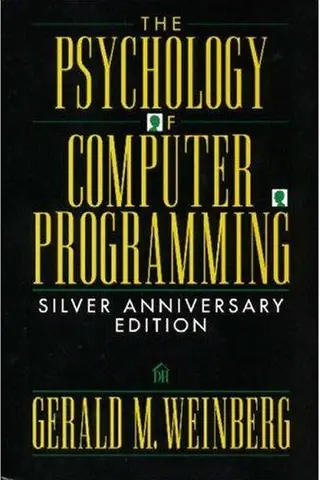
The Psychology of Computer Programming
Gerald M. Weinberg
named by 4
Find on Amazon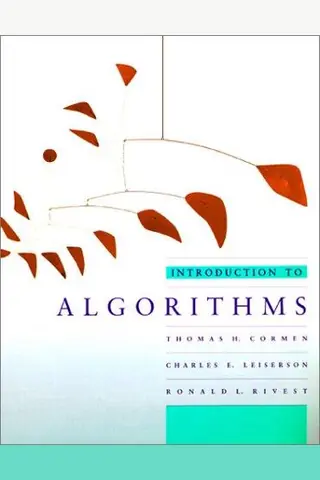
Introduction to Algorithms
Thomas H. Cormen, Charles E. Leiserson
named by 3
Find on Amazon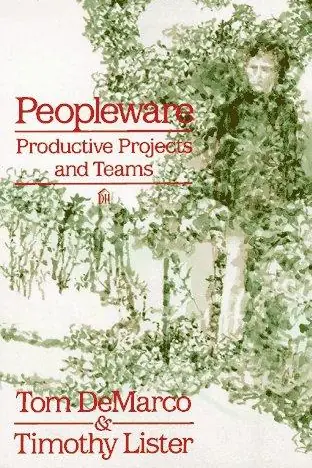
Peopleware
Tom DeMarco, Timothy Lister
named by 3
Find on Amazon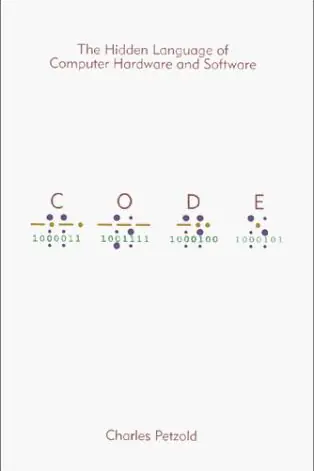
Code
Charles Petzold
named by 3
Find on Amazon
The Elements of Style
William Strunk, Jr., E. B. White
named by 3
Find on Amazon
A Pattern Language
Christopher Alexander, Sara Ishikawa
named by 3
Find on Amazon
Domain-Driven Design
Eric Evans
named by 3
Find on Amazon
Thinking Forth
Leo Brodie
named by 3
Find on Amazon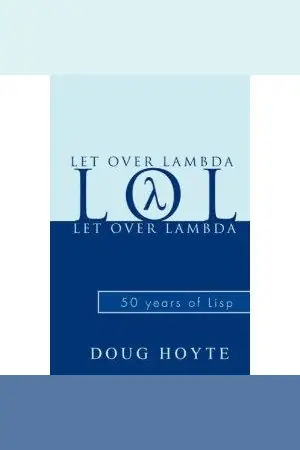
Let over Lambda
Doug Hoyte
named by 3
Find on Amazon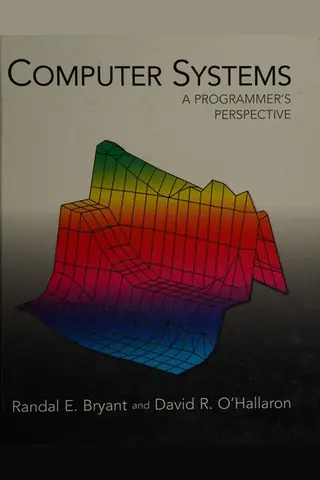
Computer Systems
Randal E. Bryant, David R. O'Hallaron
named by 3
Find on Amazon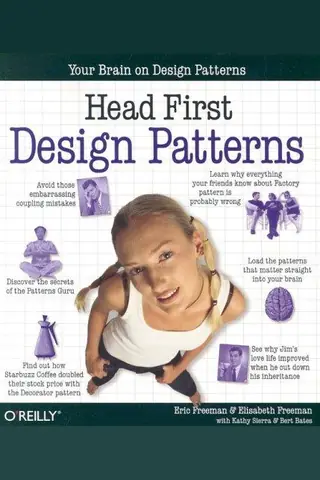
Head First Design Patterns
Eric Freeman, Elisabeth Freeman
named by 3
Find on Amazon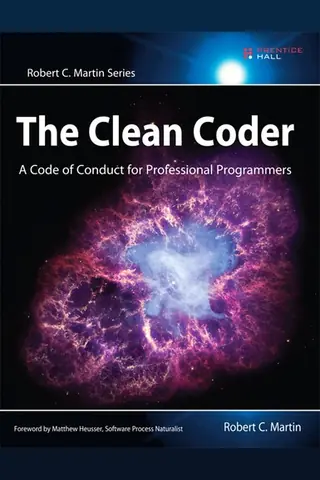
The Clean Coder
Robert C. Martin
named by 3
Find on Amazon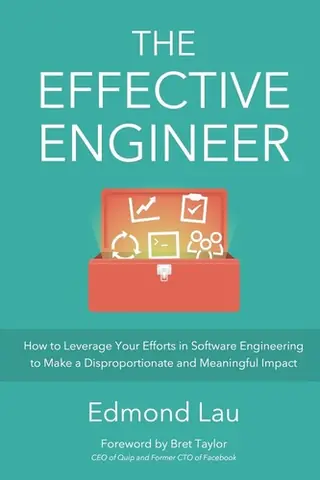
The Effective Engineer
Edmond Lau
named by 2
Find on Amazon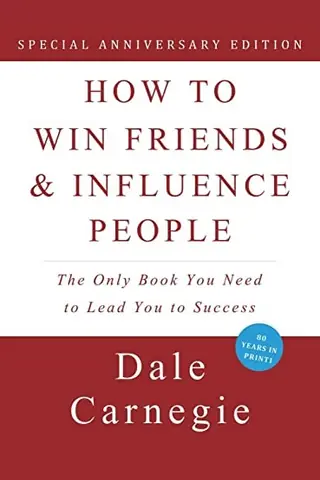
How to Win Friends and Influence People
Dale Carnegie
named by 2
Find on Amazon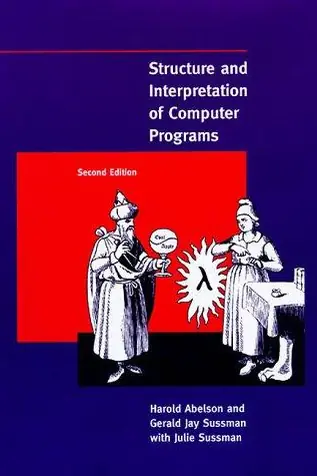
Structure and Interpretation of Computer Programs
Harold Abelson, Gerald Jay Sussman
named by 2
Find on Amazon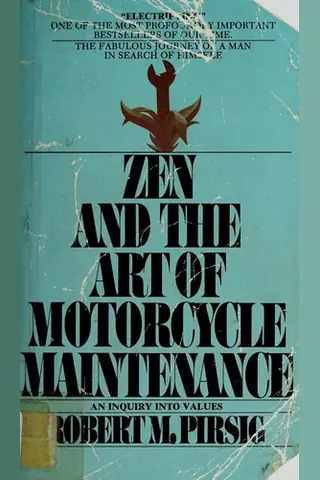
Zen and the Art of Motorcycle Maintenance
Robert M. Pirsig
named by 2
Find on Amazon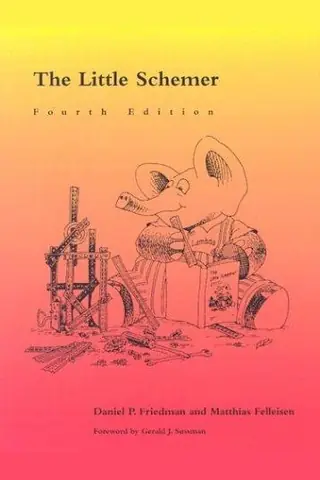
The Little Schemer
Daniel P. Friedman, Matthias Felleisen
named by 2
Find on Amazon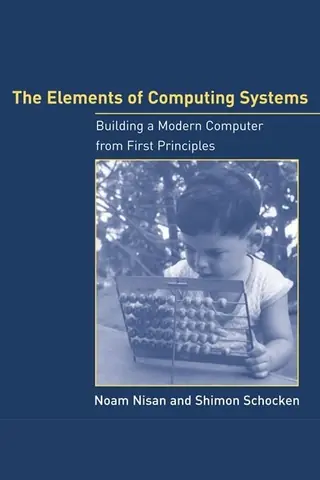
The Elements of Computing Systems
Noam Nisan, Shimon Schocken
named by 2
Find on Amazon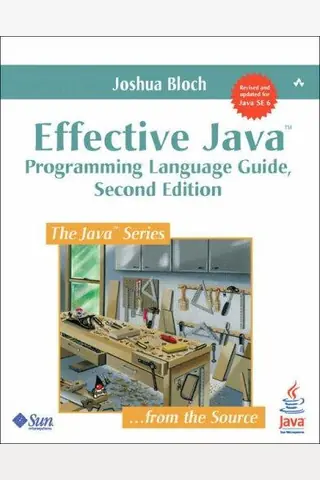
Effective Java
Joshua Bloch
named by 2
Find on Amazon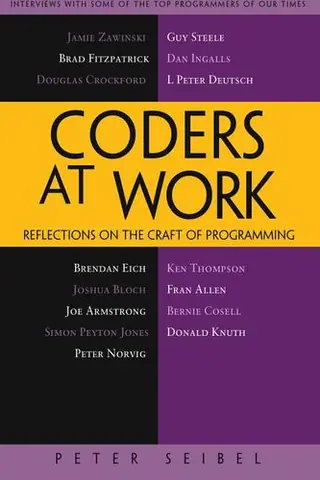
Coders at Work
Peter Seibel
named by 2
Find on Amazon
Hackers & Painters
Paul Graham
named by 2
Find on Amazon
Linux Programming Interface
Michael Kerrisk
named by 2
Find on Amazon
Refactoring
Martin Fowler
named by 2
Find on Amazon
Design Patterns
Erich Gamma, John Vlissides
named by 2
Find on Amazon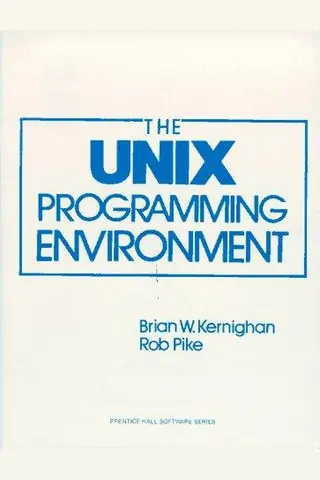
The UNIX Programming Environment
Brian W. Kernighan
named by 2
Find on Amazon
The Joy of Clojure
Michael Fogus, Chris Houser
named by 2
Find on Amazon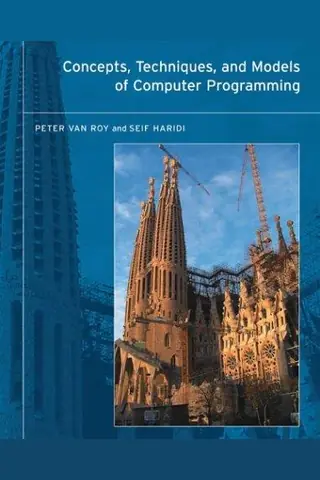
Concepts, Techniques, and Models of Computer Programming
Peter Van Roy, Seif Haridi
named by 2
Find on Amazon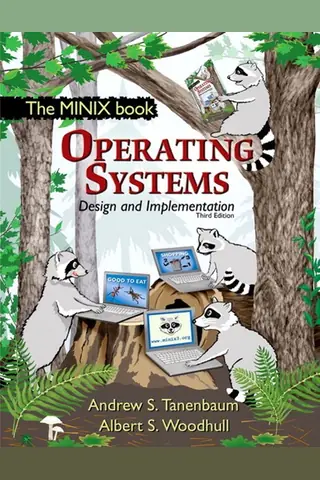
Operating Systems
Andrew S. Tanenbaum, Albert S. Woodhull
named by 2
Find on Amazon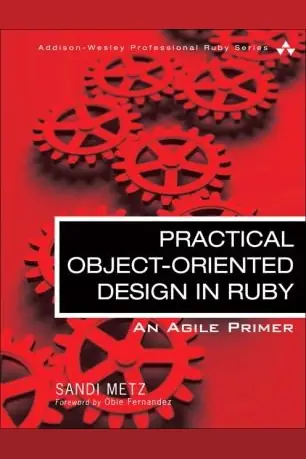
Practical Object Oriented Design in Ruby
Sandi Metz
named by 2
Find on Amazon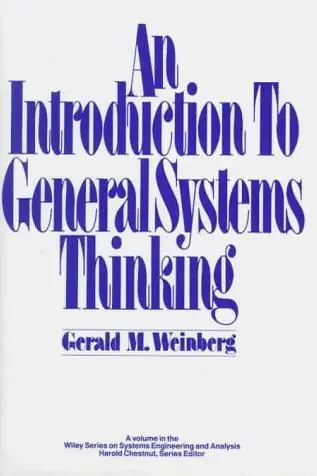
An Introduction to General Systems Thinking
Gerald M. Weinberg
named by 2
Find on Amazon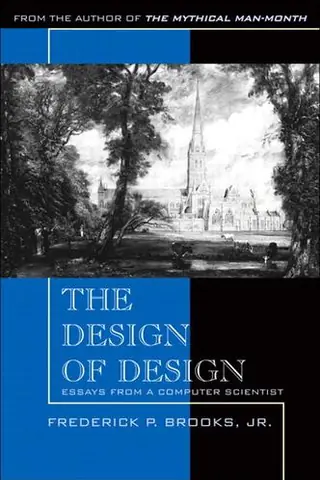
The Design of Design
Frederick P. Brooks
named by 2
Find on Amazon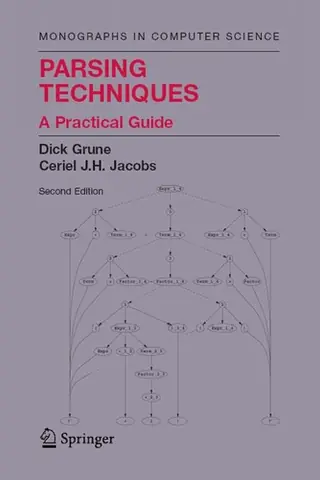
Parsing Techniques
Dick Grune
named by 2
Find on Amazon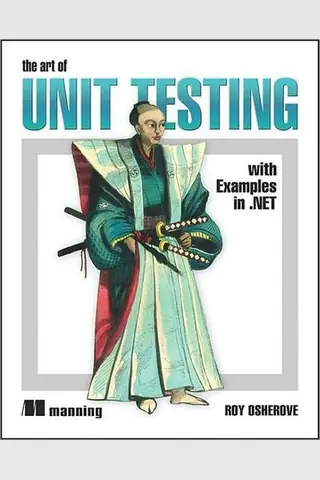
The Art of Unit Testing
Roy Osherove
named by 2
Find on Amazon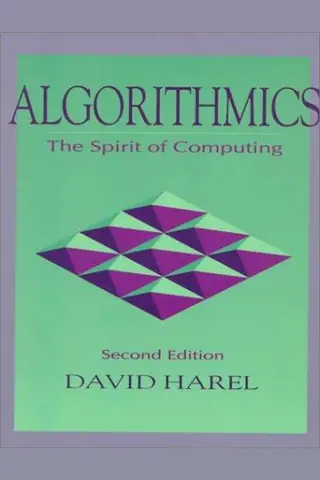
Algorithmics
David Harel
named by 2
Find on Amazon
Sorting and Searching
Donald Knuth
named by 2
Find on Amazon
Dependency Injection in .NET
Mark Seemann
named by 2
Find on Amazon
Data Flow Analysis
Uday Khedker, Amitabha Sanyal
named by 2
Find on Amazon
Software Runaways
Robert L. Glass
named by 2
Find on Amazon
Understanding MySQL Internals
Alexander Sasha Pachev, Alexander Pachev
named by 2
Find on Amazon
97 books named once
- Gödel, Escher, Bach Douglas R. Hofstadter
- Thinking, fast and slow Daniel Kahneman
- Designing Data-Intensive Applications Martin Kleppmann
- The Lean Startup Eric Ries
- Crafting Interpreters Robert Nystrom
- Influence Robert B. Cialdini
- The architecture of open source applications Amy Brown, Greg Wilson
- A Deepness in the Sky Vernor Vinge
- Cracking The Coding Interview Gayle Laakmann McDowell
- The Cuckoo’s Egg Clifford Stoll
- The algorithm design manual Steven S. Skiena
- The Phoenix Project Gene Kim, Kevin Behr
- How to solve it George Pólya
- Concrete mathematics Ronald L. Graham, Donald Knuth
- Artificial Intelligence Stuart J. Russell, Peter Norvig
- Game Programming Patterns Robert Nystrom
- The Code Book Simon Singh
- Purely functional data structures Chris Okasaki
- Applied Cryptography Bruce Schneier
- The Cathedral and the Bazaar Eric S. Raymond
- Starting FORTH Leo Brodie
- The Timeless Way of Building Christopher Alexander
- Growing object-oriented software, guided by tests Steve Freeman
- The Annotated Turing Charles Petzold
- Unix Network Programming W. Richard Stevens, Bill Fenner
- Cryptography engineering Niels Ferguson, Bruce Schneier
- Algorithms Robert Sedgewick
- Beautiful Code Andy Oram, Greg Wilson
- Drive Daniel H. Pink
- The reasoned schemer Daniel P. Friedman
- Systemantics John Gall
- Pragmatic Thinking and Learning Andy Hunt
- Essentials of programming languages Daniel P. Friedman
- Engineering a compiler Keith D. Cooper
- How Buildings Learn Stewart Brand
- The elements of programming style Brian W. Kernighan, P. J. Plauger
- Elements of programming Alexander A. Stepanov
- The (new) turing omnibus A.K. Dewdney
- The passionate programmer Chad Fowler
- Test-driven development Kent Beck
- Algorithm design Jon Kleinberg, Éva Tardos
- Algorithms in C++ Robert Sedgewick
- Modern compiler implementation in ML Andrew W. Appel
- SQL Performance Explained Markus Winand
- The garbage collection handbook Jones, Richard
- Enterprise integration patterns Gregor Hohpe, Bobby Woolf
- Object-oriented software construction Bertrand Meyer
- Building Microservices Sam Newman
- Release It! Michael T. Nygard
- Software tools Brian W. Kernighan, P. J. Plauger
- Programmers at work Susan M. Lammers
- Facts and Fallacies of Software Engineering Robert L. Glass
- Language Implementation Patterns Terence Parr
- Practical cryptography Niels Ferguson
- The pattern on the stone W. Daniel Hillis
- A discipline of programming Edsger Wybe Dijkstra
- Statistics Done Wrong Alex Reinhart
- The cartoon guide to statistics Larry Gonick
- Write Great Code Randall Hyde
- Apprenticeship Patterns Dave H. Hoover, Adewale Oshineye
- Continuous Delivery Jez Humble, David Farley
- 500 Lines or Less Amy Brown, Michael Dibernardo
- Are your lights on? Donald C. Gause, Gerald M. Weinberg
- Theory of computation Michael Sipser
- Introduction to algorithms Udi Manber
- Advanced compiler design and implementation Steven S. Muchnick
- Transaction processing Gray, Jim
- Making Software Andy Oram
- From Mathematics to Generic Programming Alexander A. Stepanov, Daniel E. Rose
- The Art of Readable Code Dustin Boswell
- Dynamics of software development McCarthy, Jim
- Software tools in Pascal Brian W. Kernighan, P. J. Plauger
- A retargetable C compiler Christopher W. Fraser
- 99 Bottles of OOP Sandi Metz, Katrina Owen
- The Armchair Universe A.K. Dewdney
- Algorithms and data structures Niklaus Wirth
- Zen of Graphics Programming Michael Abrash
- Naked Statistics Charles J. Wheelan
- The Healthy Programmer Joe Kutner
- Drift into failure Sidney Dekker
- Agile Software Development, Principles, Patterns, and Practices Robert C. Martin
- Introduction to functional programming Bird, Richard
- A Fortran coloring book Roger Emanuel Kaufman
- Exercises for Programmers Brian P. Hogan
- Implementation patterns Kent Beck
- XUnit Test Patterns Gerard Meszaros
- Discovering statistics using R Andy P. Field
- The D programming language Andrei Alexandrescu
- Software Craftsmanship Pete McBreen
- Thinking recursively Eric Roberts
- Quality Software Management Gerald M. Weinberg
- Elegant Objects Yegor Bugayenko
- Intuitive biostatistics Harvey Motulsky
- Database system implementation Hector Garcia-Molina, Jeffrey D. Ullman
- Working Effectively with Unit Tests Jay Fields
- Genetic programming Wolfgang Banzhaf, Peter Nordin
- Programming in the 1990s Edward Cohen
How this was made
From the site’s data, as of the last data refresh: a book’s count is the number of different people in the thread who named it as an answer, or recommended it in a reply. Books without a page on this site are not counted.
Each quote is a short excerpt of one comment that names the book, picked by a fixed rule: among the 16 books named most, comments that recommend the book, are mostly about it and say why it matters come first. The quotes were then read by hand; where the rule’s pick missed the point, a better excerpt from the same thread replaced it (“…” marks a cut), or the book is shown without one. Follow the date to read the whole comment on Hacker News. All mentions are in the open dataset, mentions.csv.gz.