Ask HN2018
What books do you keep on your desk?
212 comments named 137 books. Named most: The Pragmatic Programmer, Introduction to Algorithms, Clean Code and 6 more, by 3 people each.
The 12 named most
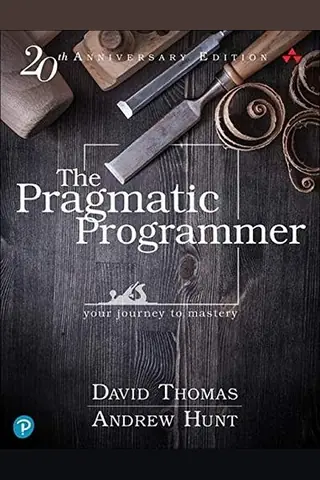
1The Pragmatic Programmer
Andy Hunt, Dave Thomas
named by 3
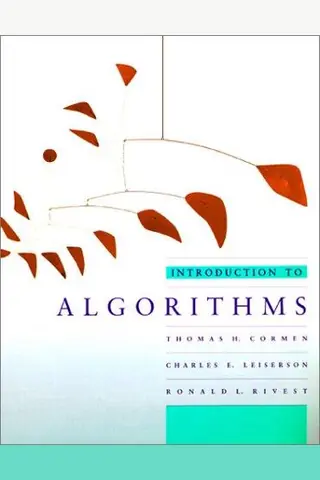
2Introduction to Algorithms
Thomas H. Cormen, Charles E. Leiserson
named by 3
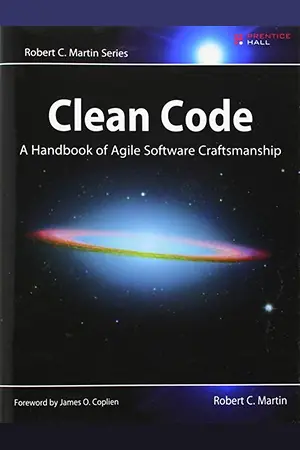
3Clean Code
Robert C. Martin
named by 3
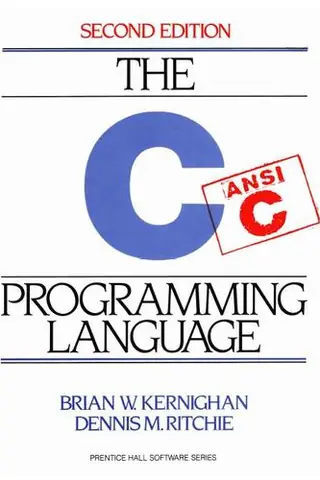
4The C Programming Language
Brian W. Kernighan, Dennis M. Ritchie
named by 3
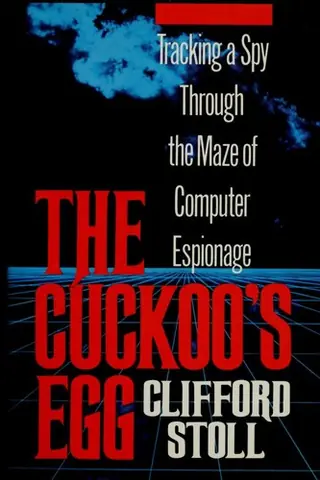
5The Cuckoo’s Egg
Clifford Stoll
named by 3
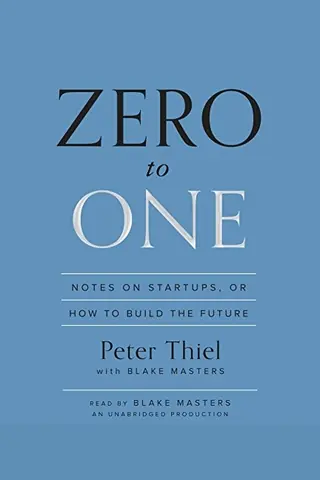
6Zero to One
Peter A. Thiel, Blake Masters
named by 3
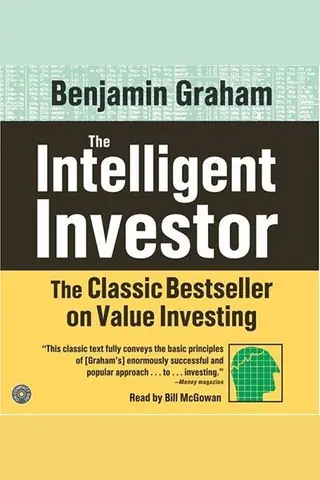
7The Intelligent Investor
Benjamin Graham
named by 3
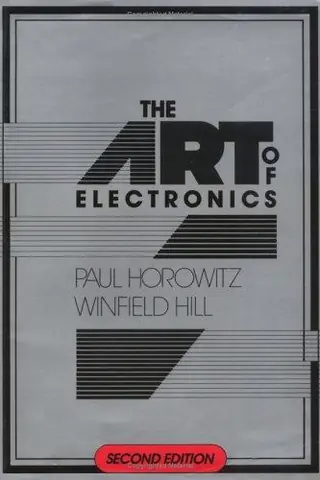
8The art of electronics
Paul Horowitz, Winfield Hill
named by 3
9Effective C++
Scott Meyers
named by 3
10Designing Data-Intensive Applications
Martin Kleppmann
named by 2
11Code Complete
Steve McConnell
named by 2
12The art of computer programming
Donald Knuth
named by 2
What people said
One comment from the thread for each, cut to the part that says why. Amazon links are affiliate links. As an Amazon Associate I earn from qualifying purchases.
Clean Code Robert C. Martin, 2008 · named by 3
“Clean Code - Robert C. Martin: I got this book in college for a class and enjoy referring to it when I feel that my code quality is starting to decay.”
The Cuckoo’s Egg Clifford Stoll, 1989 · named by 3
“I generally don't re-read books. One exception is The Cuckoo's Egg, which I reread every ~5 years.”
Zero to One Peter A. Thiel, Blake Masters, 2014 · named by 3
“By far the #1 book I keep referring to and re-reading: Zero to One.”
Effective C++ Scott Meyers, 1991 · named by 3
“Effective C++ 3rd edition (Meyers) - I like to approach this book from the back (i.e., indices), pick up a topic, and then read the contents one by one.”
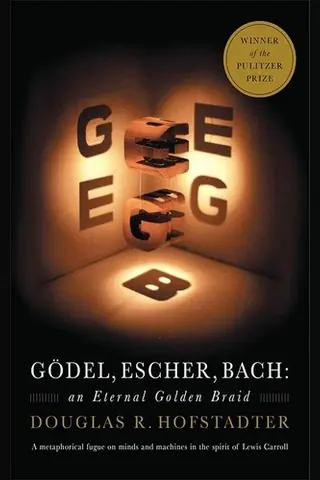
Gödel, Escher, Bach Douglas R. Hofstadter, 1979 · named by 1
“Gödel Escher Bach, or GEB. It's one of the most informative books I've ever read with a really valuable perspective to view information through.”
Also named by more than one person
10 more books, in the same order.
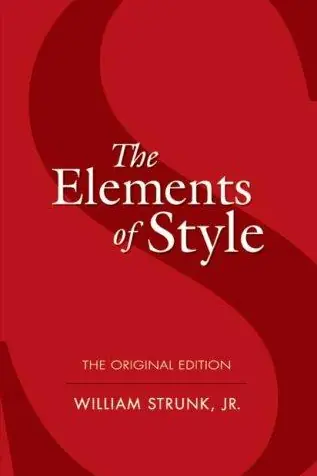
The Elements of Style
William Strunk, Jr., E. B. White
named by 2
Find on Amazon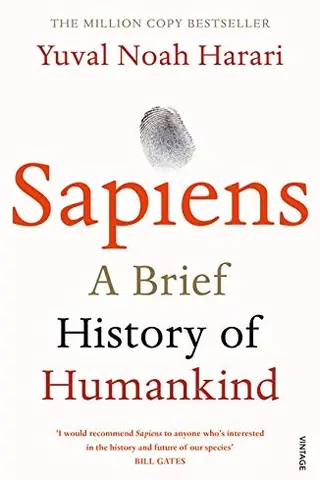
Sapiens
Yuval Noah Harari
named by 2
Find on Amazon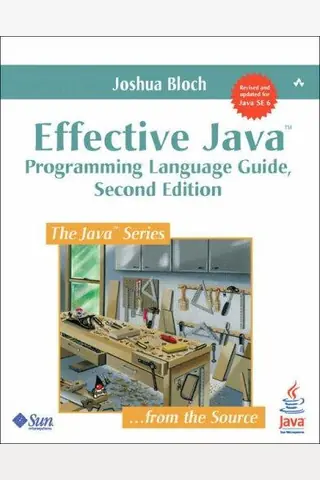
Effective Java
Joshua Bloch
named by 2
Find on Amazon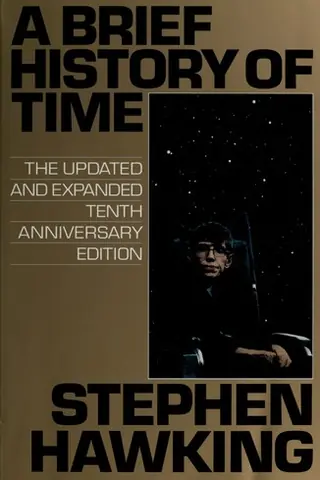
A Brief History of Time
Stephen Hawking
named by 2
Find on Amazon
Head First Design Patterns
Eric Freeman, Elisabeth Freeman
named by 2
Find on Amazon
Programming Elixir
Dave Thomas
named by 2
Find on Amazon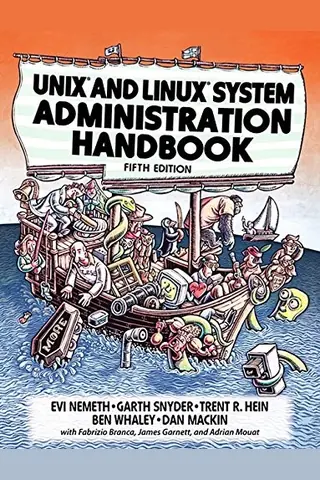
UNIX and Linux System Administration Handbook
Evi Nemeth, Garth Snyder
named by 2
Find on Amazon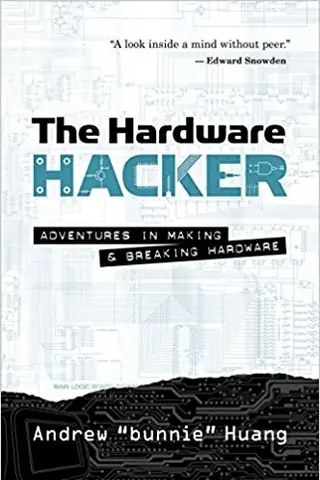
The Hardware Hacker
Andrew "Bunnie" Huang
named by 2
Find on Amazon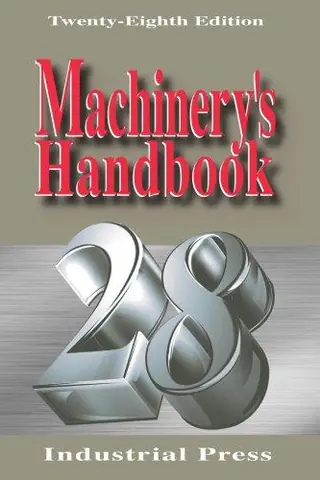
Machinery's Handbook(Machinery's Handbook
Erik Oberg
named by 2
Find on Amazon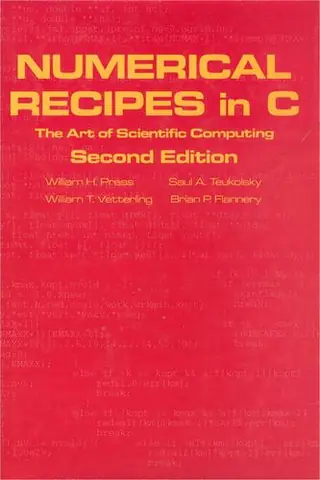
NUMERICAL RECIPES in C
William H. Press, Brian P. Flannery
named by 2
Find on Amazon
115 books named once
- Gödel, Escher, Bach Douglas R. Hofstadter
- Thinking, fast and slow Daniel Kahneman
- Structure and Interpretation of Computer Programs Harold Abelson, Gerald Jay Sussman
- Deep Work Cal Newport
- Meditations Marcus Aurelius
- The Black Swan Nassim Nicholas Taleb
- Fooled by randomness Nassim Nicholas Taleb
- Working effectively with legacy code Michael C. Feathers
- The Phoenix Project Gene Kim, Kevin Behr
- How to solve it George Pólya
- The Hitchhiker's Guide to the Galaxy Douglas Adams
- How to Read a Book Mortimer J. Adler, Charles Lincoln Van Doren
- The Power of Habit Charles Duhigg
- Thinking in systems Donella H. Meadows
- Advanced programming in the Unix environment W. Richard Stevens, Stephen A. Rago
- Linux Programming Interface Michael Kerrisk
- Domain-Driven Design Eric Evans
- I Am a Strange Loop Douglas R. Hofstadter
- Economics in One Lesson Henry Hazlitt
- Getting to yes Roger Fisher, William Ury
- The Visual Display of Quantitative Information Edward R. Tufte
- Refactoring Martin Fowler
- On Writing Stephen King
- Design Patterns Erich Gamma, John Vlissides
- The 48 Laws of Power Robert Greene
- Principles Ray Dalio
- Algorithms to Live By Brian Christian, Tom Griffiths
- Real World OCaml Yaron Minsky, Anil Madhavapeddy
- The Art of War Sun Tzu
- Effective Modern C++ Scott Meyers
- The Princeton Companion to Mathematics Timothy Gowers
- The clean coder Robert C. Martin
- The Obstacle is the Way Ryan Holiday
- The Principles of Product Development Flow Donald G. Reinertsen
- Speech and language processing Daniel Jurafsky, James H. Martin
- Show-Stopper! G. Pascal Zachary
- The art of Prolog Leon Sterling, Ehud Yehuda Shapiro
- UNIX Power Tools Jerry Peek, Tim O'Reilly
- Skin in the Game Nassim Nicholas Taleb
- Critique of Pure Reason Immanuel Kant
- Programming interviews exposed John Mongan, Noah Suojanen
- Flatland Edwin Abbott Abbott
- Digital Design and Computer Architecture David Money Harris, Sarah L. Harris
- Real and complex analysis Walter Rudin
- Options, futures, & other derivatives John C. Hull
- Finite-dimensional vector spaces Paul R. Halmos
- Ego is the Enemy Ryan Holiday
- Enterprise integration patterns Gregor Hohpe, Bobby Woolf
- The DevOps handbook Gene Kim
- The evolution of cooperation Robert M. Axelrod
- The C++ programming language Bjarne Stroustrup
- The one minute manager Kenneth H. Blanchard, Spencer Johnson
- The ego tunnel Thomas Metzinger
- Operating manual for spaceship earth R. Buckminster Fuller
- Tools of Titans Timothy Ferriss
- Overcoming Gravity Steven Low
- Advanced UNIX programming Marc J. Rochkind
- Arabian Nights Scheherazade
- DNS and BIND Paul Albitz, Cricket Liu
- Kubernetes in Action Marko Luksa
- Story Robert McKee
- The ethics of liberty Murray Newton Rothbard, Murray N. Rothbard
- Open Data Structures Pat Morin
- Algorithms Jeff Erickson
- Joe Celko's SQL for Smarties Joe Celko
- The Social Contract Jean-Jacques Rousseau
- The Third Policeman Flann O'Brien
- The Quants Scott Patterson
- The C++ standard library Nicolai M. Josuttis
- Garner's modern English usage Bryan A. Garner
- Bleeding Edge Thomas Pynchon, Vicente Campos González
- Garner's modern american usage Bryan A. Garner
- Naked Statistics Charles J. Wheelan
- Advances in Financial Machine Learning Marcos Lopez de Prado
- The Lucifer Effect Philip G. Zimbardo
- A Time of Gifts Patrick Leigh Fermor
- Leaves of Grass Walt Whitman
- The Universe in a Nutshell Stephen Hawking
- The ARRL Antenna Book American Radio Relay League (ARRL)
- Building Evolutionary Architectures Neal Ford, Rebecca Parsons
- Effective Perl programming Joseph N. Hall
- USB complete Jan Axelson
- Henry Hazlitt Jeffrey A. Tucker, Murray N. Rothbard
- Introduction to topology and modern analysis George F. Simmons
- Modern man in search of a soul Carl Gustav Jung
- The American Heritage dictionary William Morris, American Heritage
- Design Patterns. Elements of Reusable Object-oriented Software Erich Gamma, Richard Helm, Ralph Johnson, John Vlissides
- REST in Practice Jim Webber
- Functional Web Development with Elixir, OTP, and Phoenix Lance Halvorsen
- The discipline of market leaders Michael Treacy
- Making work visible Dominica DeGrandis
- Discovering Modern C++ Peter Gottschling
- Silence John Cage
- The nature and art of workmanship David Pye
- Several short sentences about writing Verlyn Klinkenborg
- Probability and Measure Patrick Billingsley
- The man who stole Portugal Murray Teigh Bloom
- Visual Complexity Manuel Lima
- Malgudi days Rasipuram Krishnaswamy Narayan
- Why I Write George Orwell
- The annotated C++ reference manual Margaret A. Ellis
- Procedural Generation in Game Design Tanya Short, Tarn Adams
- Small Signal Audio Design Douglas Self
- General Topology John Leroy Kelley, Sam Sloan
- King James Bible King James VI and I
- Camel in Action Claus Ibsen, Jonathan Anstey
- Desk Ref Thomas J Glover, Richard A Young
- Verilog by Example Blaine Readler
- The book of life Jiddu Krishnamurti
- Screenplay Syd Field
- Tribe of Mentors Timothy Ferriss
- Character strengths and virtues Peterson, Christopher
- The essential Calvin and Hobbes Bill Watterson
- Symbolic Logic Lewis Carroll
- Learn Windows PowerShell in a month of lunches Unknown author
How this was made
From the site’s data, as of the last data refresh: a book’s count is the number of different people in the thread who named it as an answer, or recommended it in a reply. Books without a page on this site are not counted.
Each quote is a short excerpt of one comment that names the book, picked by a fixed rule: among the 16 books named most, comments that recommend the book, are mostly about it and say why it matters come first. The quotes were then read by hand; where the rule’s pick missed the point, a better excerpt from the same thread replaced it (“…” marks a cut), or the book is shown without one. Follow the date to read the whole comment on Hacker News. All mentions are in the open dataset, mentions.csv.gz.