Ask HN2016
What are the must-read books about economics/finance?
269 comments named 121 books. The one named most: The Intelligent Investor, by 9 people.
The 12 named most
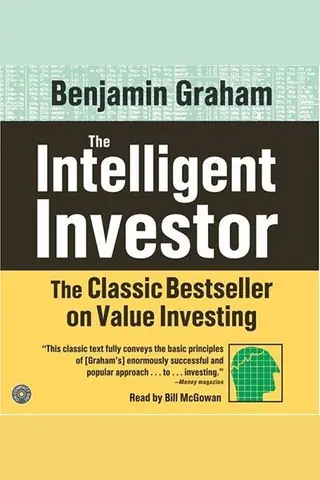
1The Intelligent Investor
Benjamin Graham
named by 9
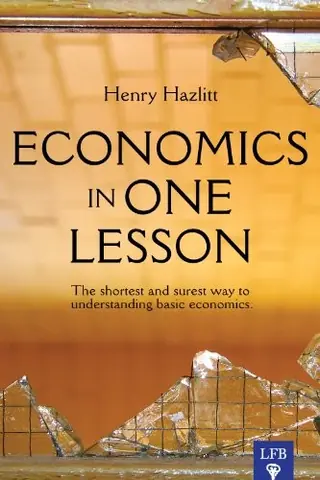
2Economics in One Lesson
Henry Hazlitt
named by 6
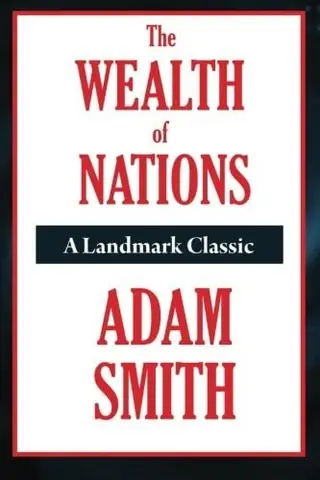
3The Wealth of Nations
Adam Smith
named by 6
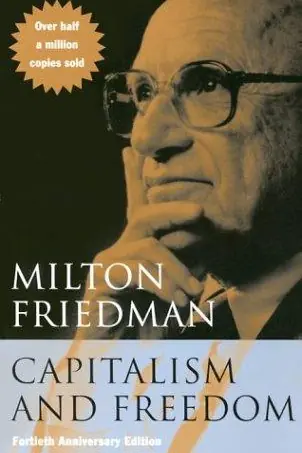
4Capitalism and freedom
Milton Friedman
named by 5

5The worldly philosophers
Robert L. Heilbroner
named by 5
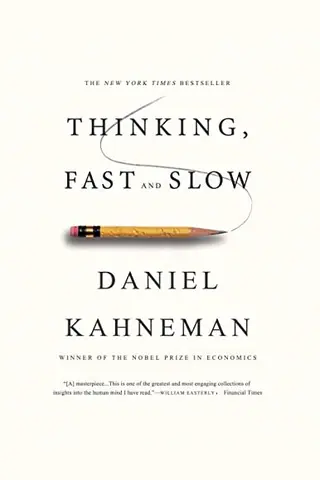
6Thinking, fast and slow
Daniel Kahneman
named by 4
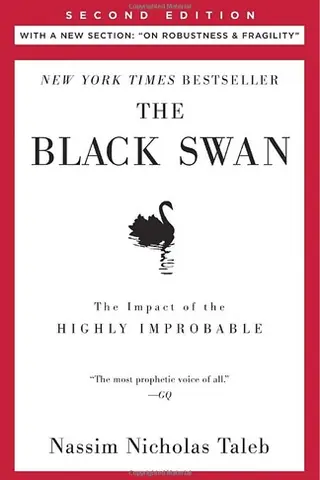
7The Black Swan
Nassim Nicholas Taleb
named by 4
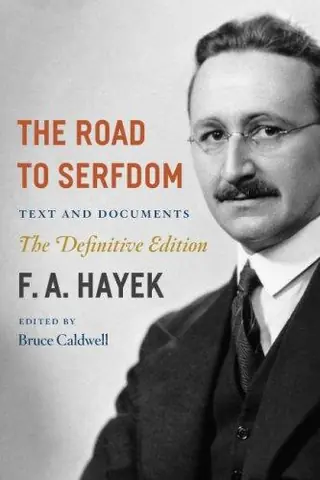
8The Road to Serfdom
Friedrich A. von Hayek
named by 4
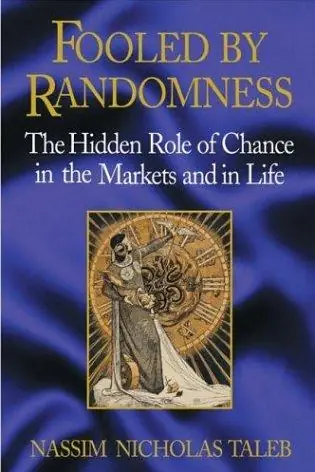
9Fooled by randomness
Nassim Nicholas Taleb
named by 3
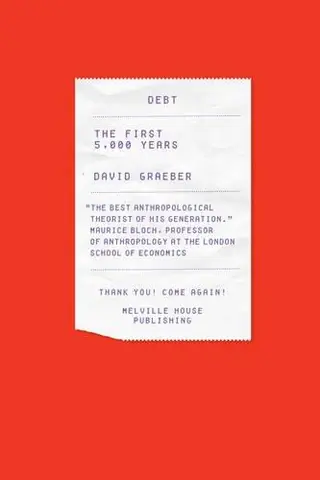
10Debt
David Graeber
named by 3
11When Genius Failed
Roger Lowenstein
named by 3
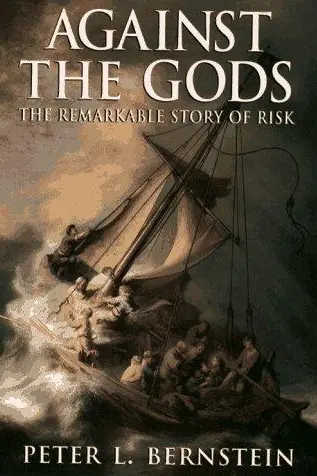
12Against the gods
Peter L. Bernstein
named by 3
What people said
One comment from the thread for each, cut to the part that says why. Amazon links are affiliate links. As an Amazon Associate I earn from qualifying purchases.
The Intelligent Investor Benjamin Graham, 1949 · named by 9
“Lastly, one "must-read" book is The Intelligent Investor by Ben Graham. The revised edition with notes from Jason Zweig is excellent.”
Economics in One Lesson Henry Hazlitt, 1946 · named by 6
“"Economics in one lesson" is a classic worth reading and thinking about. While you don't necessary have to follow the libertarian way of thinking it guides you to, it still shapes your critical thinking about economic…”
Thinking, fast and slow Daniel Kahneman, 2011 · named by 4
“I truly believe understanding human behavior and decision making is a key foundation to anything else you read in Economics. This book changed my life, I highly recommend it.”
Debt David Graeber, 2011 · named by 3
“Best book you can read first is "Debt the First 5000 Years" by David Graeber. He is an anthropologist and the book outlines many economic topics giving you a historical context.”
When Genius Failed Roger Lowenstein, 2000 · named by 3
“I felt like it was the perfect sequel to 'Liar's Poker'… I feel like these two books are valuable, even essential, background for studying finance as practiced by Wall Street.”
Freakonomics Steven D. Levitt, Stephen J. Dubner, 2005 · named by 2
“I read Dubner and Levitt's Freakonomics in 2005. It's lame to say that a pop-science book changed my life, but since then I've thought about economics every day.”
Also named by more than one person
22 more books, in the same order.
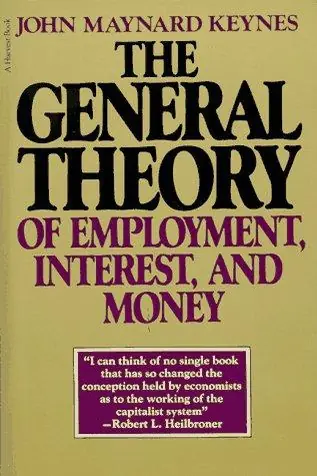
The General Theory of Employment, Interest and Money
John Maynard Keynes
named by 3
Find on Amazon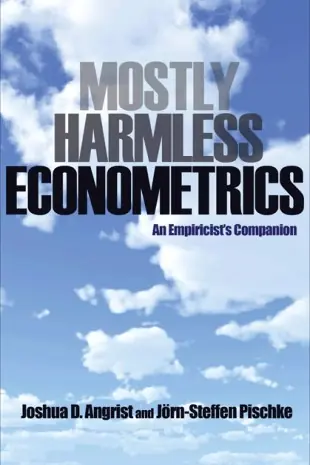
Mostly Harmless Econometrics
Joshua David Angrist, Jörn-Steffen Pischke
named by 3
Find on Amazon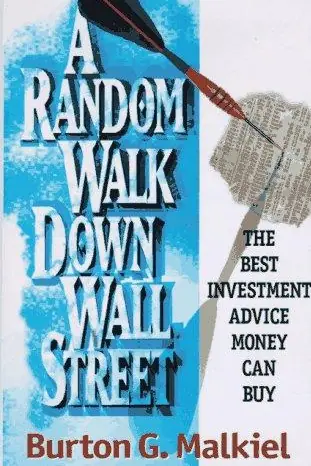
A Random Walk Down Wall Street
Burton Gordon Malkiel
named by 2
Find on Amazon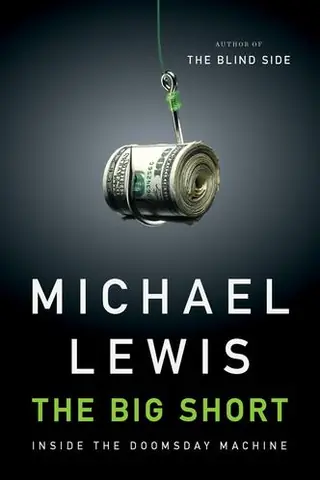
The Big Short
Michael Lewis
named by 2
Find on Amazon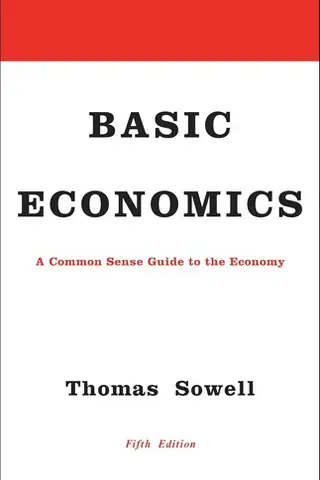
Basic Economics
Thomas Sowell
named by 2
Find on Amazon
Liar's Poker
Michael Lewis
named by 2
Find on Amazon
Trading and Exchanges
Larry Harris
named by 2
Find on Amazon
Freakonomics
Steven D. Levitt, Stephen J. Dubner
named by 2
Find on Amazon
Human Action
Ludwig von Mises
named by 2
Find on Amazon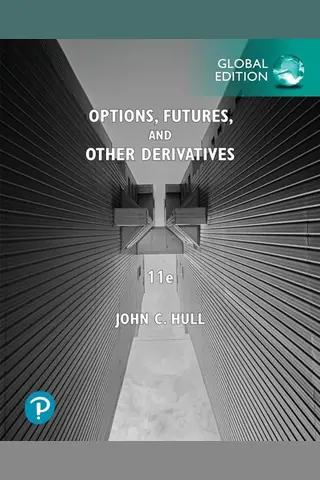
Options, Futures, & Other Derivatives
John C. Hull
named by 2
Find on Amazon
One Up on Wall Street
Peter Lynch, John Rothchild
named by 2
Find on Amazon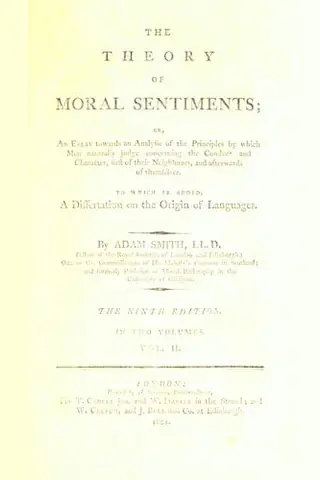
The Theory of Moral Sentiments
Adam Smith
named by 2
Find on Amazon
Irrational Exuberance
Robert J. Shiller
named by 2
Find on Amazon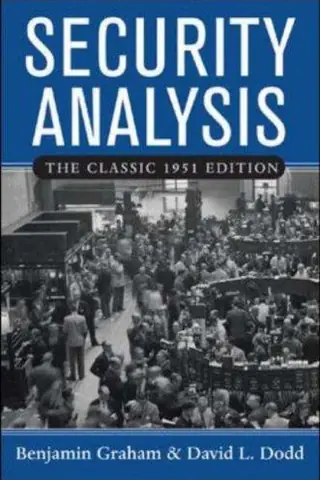
Security Analysis
Benjamin Graham, David Dodd
named by 2
Find on Amazon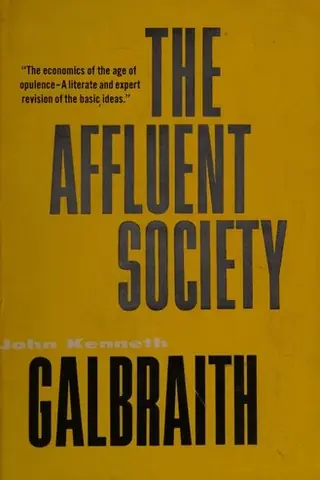
The Affluent Society
John Kenneth Galbraith
named by 2
Find on Amazon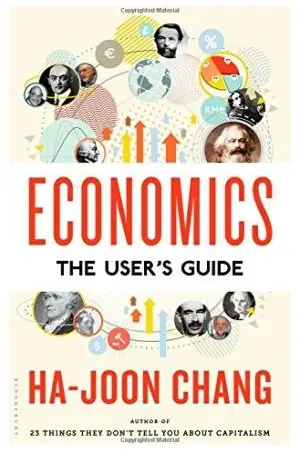
Economics : The User's Guide
Ha-Joon Chang
named by 2
Find on Amazon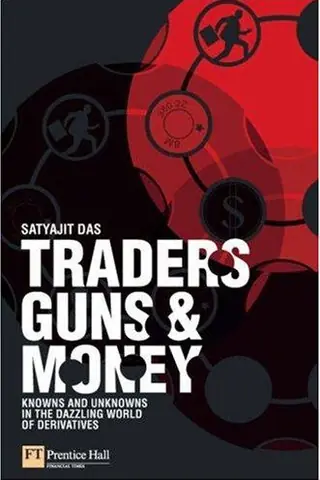
Traders, Guns & Money
Satyajit Das
named by 2
Find on Amazon
New Ideas from Dead Economists
Todd G. Buchholz
named by 2
Find on Amazon
The New Industrial State
John Kenneth Galbraith
named by 2
Find on Amazon
Principles of Corporate Finance
Richard A. Brealey, Richard Brealey
named by 2
Find on Amazon
Intermediate Microeconomics
Hal R. Varian
named by 2
Find on Amazon
Global Capitalism
Jeffry A. Frieden
named by 2
Find on Amazon
87 books named once
- The Innovator's Dilemma Clayton M. Christensen
- The Elements of Statistical Learning Trevor Hastie, Robert Tibshirani
- Antifragile Nassim Nicholas Taleb
- Predictably Irrational Dan Ariely
- Venture deals Brad Feld
- Why Nations Fail Daron Acemoglu, James A. Robinson
- Flash Boys Michael Lewis
- Das Kapital Karl Marx
- The Signal and the Noise Nate Silver
- Progress and poverty Henry George
- The ascent of money Niall Ferguson
- The Prize Daniel Yergin
- Communist Manifesto Karl Marx, Friedrich Engels
- Fortune's Formula William Poundstone
- Seeking Wisdom Peter Bevelin
- Dark Pools Scott Patterson
- Reminiscences of a stock operator Edwin Lefèvre
- The Everything Store Brad Stone
- Free to choose Milton Friedman, Rose D. Friedman
- Small Is Beautiful E. F. Schumacher
- The Computational Beauty of Nature Gary William Flake
- The use of knowledge in society Friedrich A. von Hayek
- Naked Economics Charles J. Wheelan
- For a new liberty Murray N. Rothbard
- Made in America Sam Walton
- The Great Transformation Karl Polanyi
- Hard drive James Wallace
- Manias, panics, and crashes Charles Poor Kindleberger, Robert Aliber
- No one would listen Harry Markopolos
- Macroeconomics N. Gregory Mankiw
- Too Big to Fail Andrew Ross Sorkin
- All the Devils Are Here Bethany McLean, Joe Nocera
- Options, futures, and other derivatives Hull, John
- Super Crunchers Ian Ayres
- The Difference Between God and Larry Ellison Mike Wilson
- Business dynamics John Sterman
- Financial intelligence for entrepreneurs Karen Berman, Joe Knight
- How an economy grows and why it crashes Peter D. Schiff
- The essays of Warren Buffett Warren Buffett, Lawrence A. Cunningham
- Unconventional Success David F. Swensen
- Sam Walton John Huey, WALTON
- The most important thing Howard Marks
- Fail-Safe Investing Harry Browne, Browne, Harry
- You can be a stock market genius Joel Greenblatt
- The new market wizards Jack D. Schwager
- Hedge fund market wizards Jack D. Schwager
- Introductory Econometrics Jeffrey M. Wooldridge
- Beat the Dealer Edward O. Thorp
- The Logic of Life Tim Harford
- How to read a financial report John A. Tracy
- Applied Economics Thomas Sowell
- Investment Science David G. Luenberger
- Henry Hazlitt Jeffrey A. Tucker, Murray N. Rothbard
- Why stock markets crash D. Sornette
- Value investing Bruce C. N. Greenwald
- Economics Samuelson
- Two Treatises of Government John Locke
- Civilization and Capitalism, 15th-18th Century Fernand Braudel
- Principles of Microeconomics N. Gregory Mankiw
- Capitalism George Reisman
- Socialism Ludwig von Mises
- The Cartoon Introduction to Economics Grady Klein
- Capital Ideas Peter L. Bernstein
- The undercover economist strikes back Tim Harford
- Bourgeois dignity Deirdre N. McCloskey
- Economic theory in retrospect Mark Blaug
- Imperial San Francisco Gray Brechin
- Money Masters of Our Time John Train
- Game Theory Drew Fudenberg, Jean Tirole
- Common Stocks and Uncommon Profits and Other Writings Philip A. Fisher
- Confidence men Ron Suskind
- The Concepts and Practice of Mathematical Finance Mark S. Joshi
- The long twentieth century Giovanni Arrighi
- Expectations Investing Michael J. Mauboussin, Alfred Rappaport
- How to read the financial pages Peter Passell
- The startup game William H. Draper
- The way the world works Jude Wanniski
- The volatility machine Michael Pettis
- Concise Guide to Macroeconomics David A. Moss
- Accounting made simple Mike Piper
- Simple Numbers, Straight Talk, Big Profits! Greg Crabtree, Beverly Herzog
- The 1% Windfall Rafi Mohammed
- History of Economic Analysis Joseph Alois Schumpeter, Elizabeth Boody Schumpeter
- Poison spring E. G. Vallianatos
- Economics of Good and Evil Tomas Sedlacek
- Freefall Joseph E. Stiglitz
- Ecology and the politics of scarcity William Ophuls
How this was made
From the site’s data, as of the last data refresh: a book’s count is the number of different people in the thread who named it as an answer, or recommended it in a reply. Books without a page on this site are not counted.
Each quote is a short excerpt of one comment that names the book, picked by a fixed rule: among the 16 books named most, comments that recommend the book, are mostly about it and say why it matters come first. The quotes were then read by hand; where the rule’s pick missed the point, a better excerpt from the same thread replaced it (“…” marks a cut), or the book is shown without one. Follow the date to read the whole comment on Hacker News. All mentions are in the open dataset, mentions.csv.gz.