Ask HN2017
Books you wish you had read earlier?
270 comments named 188 books. The one named most: How to Win Friends and Influence People, by 7 people.
The 12 named most
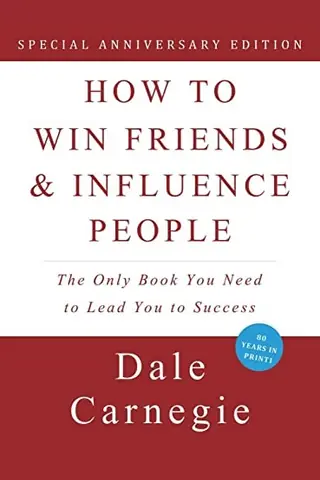
1How to Win Friends and Influence People
Dale Carnegie
named by 7
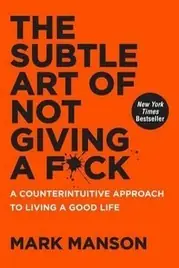
2The Subtle Art of Not Giving a F*ck
Mark Manson
named by 4

3Harry Potter and the Methods of Rationality
Eliezer Yudkowsky
named by 3
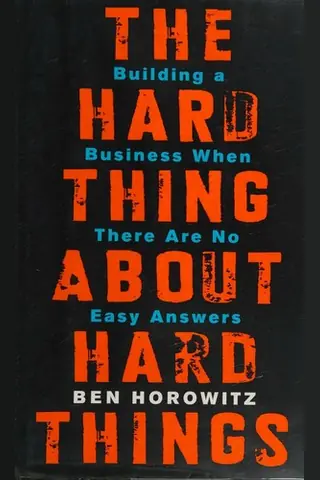
4The Hard Thing About Hard Things
Ben Horowitz
named by 3
5The Master Switch
Tim Wu
named by 3
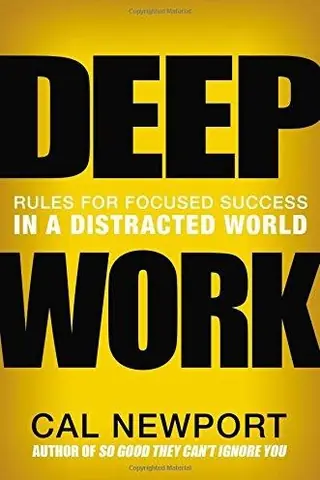
6Deep Work
Cal Newport
named by 2
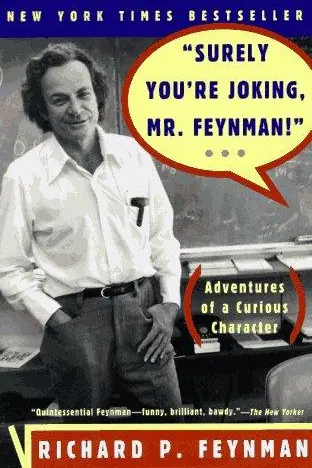
7"Surely You're Joking, Mr. Feynman"
Richard Phillips Feynman, Ralph Leighton
named by 2

8Ender's Game
Orson Scott Card
named by 2
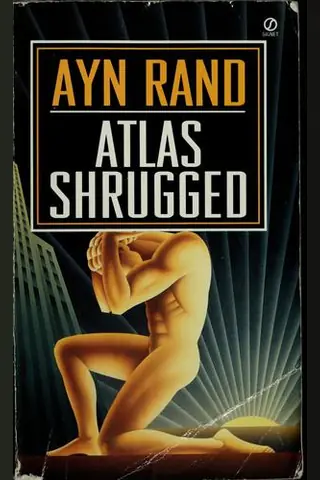
9Atlas Shrugged
Ayn Rand
named by 2
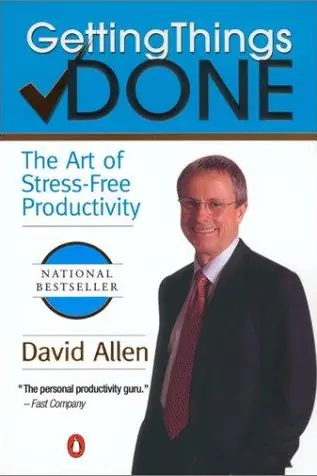
10Getting Things Done
David Allen
named by 2
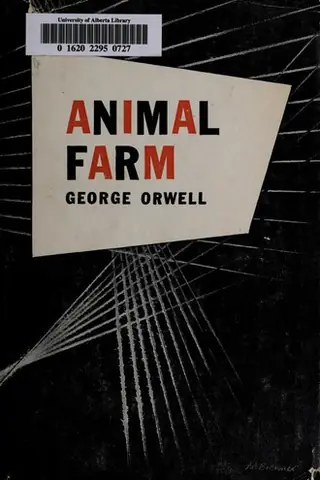
11Animal Farm
George Orwell
named by 2
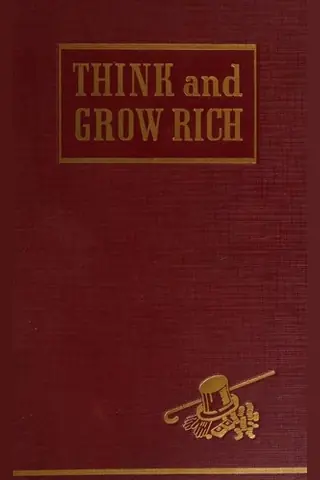
12Think and Grow Rich
Napoleon Hill
named by 2
What people said
One comment from the thread for each, cut to the part that says why. Amazon links are affiliate links. As an Amazon Associate I earn from qualifying purchases.
How to Win Friends and Influence People Dale Carnegie, 1936 · named by 7
“How To Win Friends And Influence People by Dale Carnegie - a timeless classic for people skills, useful in almost all circumstances.”
The Subtle Art of Not Giving a F*ck Mark Manson, 2016 · named by 4
“I really liked The Subtle Art of Not Giving a F*ck as well. I realized, while reading, that I give far too many, and working on not doing that has made me happy.”
The Hard Thing About Hard Things Ben Horowitz, 2014 · named by 3
“the hard thing about hard things(Ben Horowitz): This book is mostly recommended for managers but I found it very useful to adjust my estimations about life.”
The Master Switch Tim Wu, 2010 · named by 3
“The Master Switch : This really puts a lot of things into context, especially if you're in tech industry.”
"Surely You're Joking, Mr. Feynman" Richard Phillips Feynman, Ralph Leighton, 1985 · named by 2
“"Surely You're Joking, Mr. Feynman!" by Richard Feynman, because it gave me a model for how to enjoy life.”
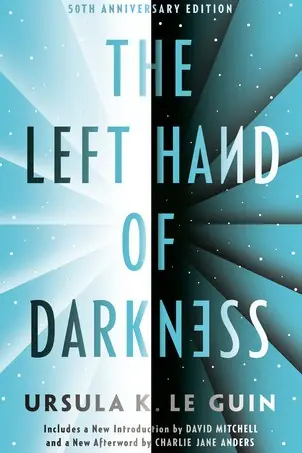
The Left Hand of Darkness Ursula K. Le Guin, 1969 · named by 1
“The left hand of darkness, by Ursula Le Guin. I found it by working my way through the list of joint nebula and hugo award winners (which is a really fun project, because all of them are amazing books).”
Also named by more than one person
10 more books, in the same order.
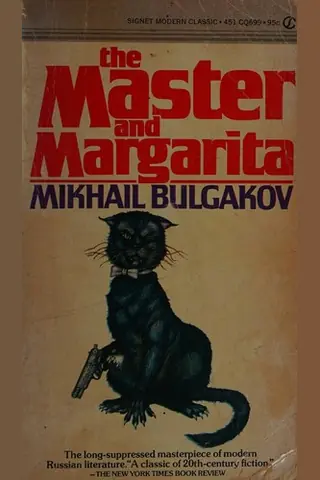
The Master and Margarita
Mikhail Bulgakov
named by 2
Find on Amazon
The Fountainhead
Ayn Rand
named by 2
Find on Amazon
The Origin of Consciousness in the Breakdown of the Bicameral Mind
Julian Jaynes
named by 2
Find on Amazon
Homo Deus
Yuval Noah Harari
named by 2
Find on Amazon
The Life-Changing Magic of Tidying Up
Marie Kondo
named by 2
Find on Amazon
The Everything Store
Brad Stone
named by 2
Find on Amazon
An Introduction to General Systems Thinking
Gerald M. Weinberg
named by 2
Find on Amazon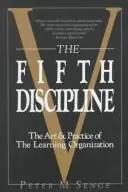
The Fifth Discipline
Peter Senge, Peter M. Senge
named by 2
Find on Amazon
Mini Habits
Stephen Guise
named by 2
Find on Amazon
How to See Color and Paint It
Arthur Stern
named by 2
Find on Amazon
166 books named once
- The Happiness Hypothesis Jonathan Haidt
- Thinking, fast and slow Daniel Kahneman
- Code Complete Steve McConnell
- The art of computer programming Donald Knuth
- The Lean Startup Eric Ries
- Meditations Marcus Aurelius
- Peopleware Tom DeMarco, Timothy Lister
- The Black Swan Nassim Nicholas Taleb
- Man's Search for Meaning Viktor Emil Frankl
- The Selfish Gene Richard Dawkins
- Brave New World Aldous Huxley
- Sapiens Yuval Noah Harari
- Fooled by randomness Nassim Nicholas Taleb
- The algorithm design manual Steven S. Skiena
- Starting strength Mark Rippetoe
- The Feynman Lectures on Physics Richard Phillips Feynman
- Amusing Ourselves to Death Neil Postman
- Zero to One Peter A. Thiel, Blake Masters
- Siddhartha Hermann Hesse
- Antifragile Nassim Nicholas Taleb
- Hackers Steven Levy
- Ready Player One Ernest Cline
- So Good They Can't Ignore You Cal Newport
- The Power of Habit Charles Duhigg
- A Random Walk Down Wall Street Burton Gordon Malkiel
- The E-myth revisited Michael E. Gerber
- Thinking in systems Donella H. Meadows
- The Martian Andy Weir
- The Left Hand of Darkness Ursula K. Le Guin
- The Four Steps to the Epiphany Steven Gary Blank
- High Output Management Andrew S. Grove
- Hackers & painters Paul Graham
- On intelligence Jeff Hawkins, Sandra Blakeslee
- Crossing the Chasm Geoffrey A. Moore
- Outliers Malcolm Gladwell
- Stranger in a Strange Land Robert A. Heinlein
- The Power of Now Eckhart Tolle
- A short history of nearly everything Bill Bryson
- Moonwalking with Einstein Joshua Foer
- The Righteous Mind Jonathan Haidt
- Extreme ownership Jocko Willink, Leif Babin
- A Brief History of Time Stephen Hawking
- How to prove it Daniel J. Velleman
- Anna Karenina Leo Tolstoy
- Flow Mihaly Csikszentmihalyi
- The personal MBA Josh Kaufman
- Flowers for Algernon Daniel Keyes
- A History of Western Philosophy Bertrand Russell
- The Lord of the Rings J.R.R. Tolkien
- Starship Troopers Robert A. Heinlein
- Little Prince Antoine de Saint-Exupéry
- Harry Potter J. K. Rowling
- Metaphors We Live By George Lakoff, Mark Johnson
- A Mind for Numbers Barbara Oakley
- The Richest Man in Babylon George S. Clason
- Learned Optimism Martin Elias Pete Seligman
- A People's History of the United States Howard Zinn
- On the Shortness of Life Seneca
- The Innovators Walter Isaacson
- How Not to Die Michael Greger, Gene Stone
- Nineteen Eighty-Four George Orwell
- Make It Stick Peter C. Brown, Henry L. Roediger
- What Do You Care What Other People Think? Richard Phillips Feynman, Ralph Leighton
- The art of learning Josh Waitzkin
- The Art of the Start Guy Kawasaki
- On Liberty John Stuart Mill
- Effective Executive Peter F. Drucker
- Metamagical Themas Douglas R. Hofstadter
- The Obstacle is the Way Ryan Holiday
- How to Measure Anything Douglas W. Hubbard
- No More Mr. Nice Guy Robert A. Glover
- A Confederacy of Dunces John Kennedy Toole
- Shop class as soulcraft Matthew B. Crawford
- The Denial of Death Ernest Becker
- How to fail at almost everything and still win big Scott Adams
- In the plex Steven Levy
- Elon Musk Ashlee Vance
- Spark John J. Ratey
- Metaprogramming Ruby Paolo Perrotta
- Time Enough For Love Robert A. Heinlein
- Mere Christianity C. S. Lewis
- Start with why Simon Sinek
- The hero with a thousand faces Joseph Campbell
- Le Ton beau de Marot Douglas R. Hofstadter
- Becoming Steve Jobs Brent Schlender, Rick Tetzeli
- Chasing the Scream Johann Hari
- The conquest of happiness Bertrand Russell
- Unbearable Lightness of Being Milan Kundera
- The nature of order Christopher Alexander
- Pitch anything Oren Klaff
- On The Road Jack Kerouac
- Out of the crisis W. Edwards Deming
- The Gods Themselves Isaac Asimov
- The True Believer:Thoughts on the Nature of Mass Movements Eric Hoffer
- Models Mark Manson
- The Silk Roads Peter Frankopan
- Cannery Row John Steinbeck
- The challenger sale Matthew Dixon, Brent Adamson
- Titan Ron Chernow
- Hatching Twitter Nick Bilton
- Wild Sheep Chase Haruki Murakami
- The Way of Zen Alan Watts
- Don Quixote Miguel De Cervantes
- Jurassic Park Michael Crichton
- The One Thing Gary Keller, Jay Papasan
- The Gift of Fear Gavin de Becker
- The Psychopath Code Pieter Hintjens
- The Call of the Wild Jack London
- The art of money-getting P. T. Barnum
- As a Man Thinketh James Allen
- Collected Fictions Jorge Luis Borges
- How Google Works Eric Schmidt, Jonathan Rosenberg
- Learning How to Learn Barbara Oakley, Terrence Sejnowski PhD
- Anatomy of the State Murray N. Rothbard
- Inside the Tornado Geoffrey A. Moore
- How we got to now Steven Johnson
- Demian Hermann Hesse
- Radical acceptance Tara Brach, Cassandra Campbell
- The Miracle of Mindfulness Thích Nhất Hạnh
- The Rational Male Rollo Tomassi
- Revolt of the Masses José Ortega y Gasset
- Sprint Jake Knapp, John Zeratsky
- Justice Michael J. Sandel
- The second coming of Steve Jobs Alan Deutschman
- The Compound effect Darren Hardy
- The Upside of Irrationality Dan Ariely
- Smarter Faster Better Charles Duhigg
- India after Gandhi Ramachandra Guha
- The Upstarts Brad Stone
- Scrum Jeff Sutherland
- More money than God Sebastian Mallaby
- The new market wizards Jack D. Schwager
- Unbroken Laura Hillenbrand
- Hedge fund market wizards Jack D. Schwager
- India John Keay
- How to Win at the Sport of Business Mark Cuban
- Dreams from My Father Barack Obama
- The Human Zoo Desmond Morris
- The Reason for God Timothy J. Keller
- Smartcuts Shane Snow
- The discipline of market leaders Michael Treacy
- Mastering the complex sale Jeff Thull
- Actionable Gamification Yu-kai Chou
- Remembrance of things past Marcel Proust
- A Suitable Boy Vikram Seth
- Different Seasons Stephen King
- The Slight Edge Jeff Olson
- How to get what you want Raymond Hull
- Screw It, Let's Do It Richard Branson
- After Dark Jayne Ann Krentz
- Alla prima Schmid, Richard
- Below the Root Zilpha Keatley Snyder
- Bulldog John R. Ellis
- The Lost World Michael Crichton
- Think Like a Freak Steven D. Levitt, Stephen J. Dubner
- Science et Méthode Henri Poincaré
- Zone to Win Geoffrey A. Moore
- Jony Ive Leander Kahney
- The person and the situation Lee Ross
- Jewish wisdom for business success Levi Brackman
- How to become CEO Jeffrey J. Fox
- The self-aware universe Amit Goswami
- I invented the modern age Richard Snow
- The science of selling Hoffeld, David (Economist)
- The Steve Jobs way Jay Elliot
- Pit Bull Martin Schwartz
How this was made
From the site’s data, as of the last data refresh: a book’s count is the number of different people in the thread who named it as an answer, or recommended it in a reply. Books without a page on this site are not counted.
Each quote is a short excerpt of one comment that names the book, picked by a fixed rule: among the 16 books named most, comments that recommend the book, are mostly about it and say why it matters come first. The quotes were then read by hand; where the rule’s pick missed the point, a better excerpt from the same thread replaced it (“…” marks a cut), or the book is shown without one. Follow the date to read the whole comment on Hacker News. All mentions are in the open dataset, mentions.csv.gz.