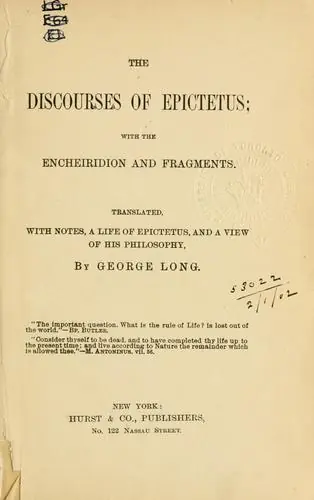
The discourses of Epictetus
with the Encheiridion and fragments.
by Epictetus · first published 1800
88% recommend13% neutral
Why HN recommends it
Practical Stoic philosophy that is easier to absorb than Marcus Aurelius. Useful for re-reading when facing hardship and for learning to live well. Good grounding for anyone starting Stoicism.
Summarised by Claude from recommending comments
Affiliate links. As an Amazon Associate I earn from qualifying purchases.
Mentions per year
What Hacker News says
Related books
 2017–2021
Letters on Ethics
Seneca the Younger, A. A. Long, Margaret Graver
Recommended by 3 · mentioned by 33 recommend · 3 mention3 recommend · 33 recommend
 2013–2026
The inner citadel
Pierre Hadot
Recommended by 8 · mentioned by 128 recommend · 12 mention8 recommend · 128 recommend
 2011–2026
Discourses
Epictetus
Recommended by 17 · mentioned by 2717 recommend · 27 mention17 recommend · 2717 recommend
 2020–2026
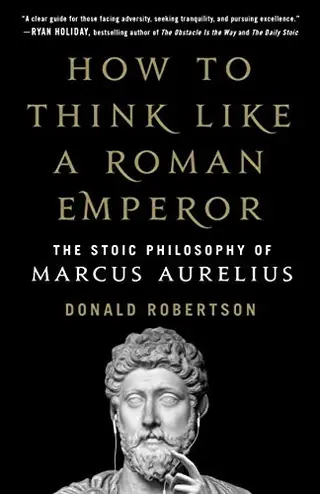
How to Think Like a Roman Emperor
Donald Robertson
Recommended by 7 · mentioned by 87 recommend · 8 mention7 recommend · 87 recommend
 2007–2026
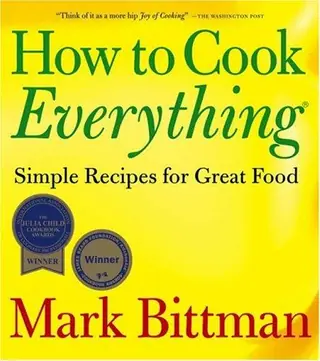
How to Cook Everything
Mark Bittman
Recommended by 29 · mentioned by 3529 recommend · 35 mention29 recommend · 3529 recommend
 2008–2026
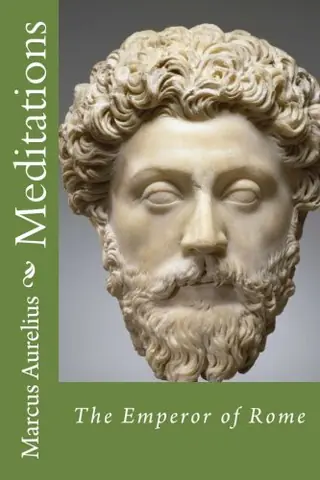
Meditations by Marcus Aurelius
Marcus Aurelius, Meric Casaubon
Recommended by 184 · mentioned by 251184 recommend · 251 mention184 recommend · 251184 recommend
 2011–2026
The Conspiracy Against the Human Race
Thomas Ligotti
Recommended by 13 · mentioned by 1613 recommend · 16 mention13 recommend · 1613 recommend
 2008–2026
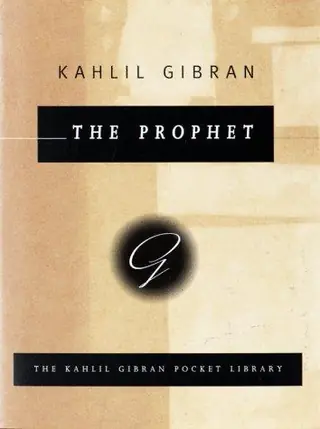
The Prophet
Kahlil Gibran
Recommended by 26 · mentioned by 3326 recommend · 33 mention26 recommend · 3326 recommend
Discourses of Epictetus
on “Ask HN: What was the one book that you read and it actually changed your life?” ↗Note that both the collected Dialogues (letters) of Seneca and Discourses of Epictetus are available from Standard Ebooks for free. I can't speak to the quality of the translations, but as far as e-books go they are always fantastic productions (compared to just grabbing the text off Project…
on “How to Think about Pleasure” ↗…Epictetus: Encheiridion, and Selections from Discourses, by A.A. Long. This is a short book; the value addition here is the great introduction, and the outstanding glossary. (NB: there is no escaping full Discourses of Epictetus—refer below.) • Epictetus: Discourses, Fragments and Handbook — translation by Robin Hard, intro by Christopher Gill; Oxford University Press. Spend a good four months immersing yourself in it. Epictetus…
on “Psychological techniques to practice Stoicism” ↗To get a better understanding of the Meditations of Marcus Aurelius, a king, you should read The Discourses of Epictetus, a slave, who has truly affected the philosophy the of former. They have a deep relationship although they did not live in the same era. Marcus was a king who lived like a slave, and Epictetus was a slave,…
on “The Meditations of Marcus Aurelius” ↗…a slog - he repeats himself constantly, as is the tendency in published ancient Greek diaries/correspondence. It's a great grounding for stoicism though. I'd recommend also reading the Enchiridion and Discourses of Epictetus - I found them easier to absorb.
on “Ask HN: Books you plan to read in 2020?” ↗The Discourses of Epictetus - This is useful to re-read frequently while thinking about any new challenges in my life, as these are powerful tools for managing hardship and generally living well. When I say no, I feel guilty by…
on “Ask HN: What nonfiction books do you keep rereading?” ↗…best face (and no failures). "Outliers" are always few and far between (it is still more or less a bell-shaped curve); If you want to become one, then be prepared to put in a lot of hard work. Read the "Discourses" of Epictetus for some perspective; In every act consider what precedes and what follows, and then proceed to the act. If you do not consider, you will at first begin with spirit, since you have not thought at all…
on “Ask HN: How do you accept your place in the world?” ↗I was looking through these titles rather cynically, and wondering if it would be pretentious of me to recommend The Teachings of the Compassionate Buddha or the Discourses of Epictetus, and then I saw it: The Inner Game of Tennis, by Timothy Gallwey Yes... yes! I'll gladly recommend this over any book of philosophy. (Different philosophers click with different people.) Granted,…
on “What one book could give me a new, useful superpower?” ↗…amiss, what done, what left undone; From first to last examine all, and then Blame what is wrong in what is right rejoice." This was either a poem or a short saying of Pythogoras. It can be found in the Discourses of Epictetus, Chapter 10, Book 3. http://classics.mit.edu/Epictetus/discourses.3.three.html
on “The word "scanned" used 2600 years ago” ↗Agreed, at times, when reading M.A. you will think you are reading the Discourses of Epictetus. Like literally.
on “The Meditations of Marcus Aurelius” ↗…Press). • Encheiridion, and Selections from Discourses, by A.A. Long. This is a short book; the value addition here is the introduction, and the outstanding glossary. (NB: there is no escaping full Discourses of Epictetus.) • The Inner Citadel, by Pierre Hadot. This is a fantastic dissection of Marcus Aurelius' work; Hadot studied him for 25 years. It also contains unparalleled summary of Epictetus, and many quotes…
on “Seneca on The Shortness of Time (2017)” ↗