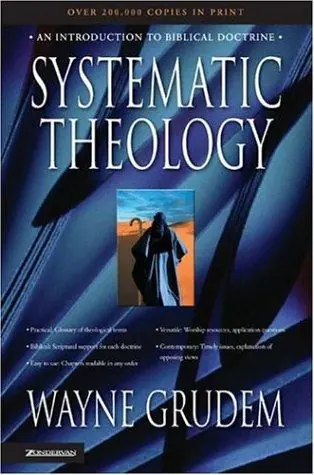
Systematic Theology
by Wayne Grudem
4mentions
1recommended by
4HN commenters
2015–2024first – last mentioned
25% recommend50% neutral25% critical
The Christian church has a long tradition of systematic theology, that is, studying theology and doctrine organized around fairly standard categories such as the Word of God, redemption, and Jesus Christ. This introduction to systematic theology has several distinctive features: - A strong emphasis on the scriptural basis for each doctrine and teaching - Clear writing, with technical terms kept to a minimum - A contemporary approach, treating subjects of special interest to the church today - A friendly tone, appealing to the emotions and the spirit as well as the intellect - Frequent applicat
Affiliate links. As an Amazon Associate I earn from qualifying purchases.
Agreed. A close second for me is Systematic Theology by Wayne Grudem. It helped me understand the Bible and put the things I was reading into categories. It's a thick book, but very readable. If you want something a bit smaller, there are two thinner…
on “Ask HN: What's one book that changed your life?” ↗…law, moral law, Old Covenant, New Covenant, then I can point you to some excellent study guides and sermons. Been there. I found the Skeptic's Annotated Bible was more convincing than, say, Grudem's Systematic Theology, or any of the other reading from seminary.
on “19th Century Marriage Manuals: Advice for Young Husbands” ↗…claim. Even the most cursory glance at historical documents would reveal this belief before the 1930s. One such example (among innumerable others) is from Princeton Seminary professor Charles Hodge's Systematic Theology, published in 1895. > Proof that this is a Christian and Protestant Nation > The proposition that the United States of America are a Christian and Protestant nation, is not so much the assertion of…
on “How religion shaped modern economics” ↗> Among the most puzzling and paradoxical ideas in his Systematic Theology (1951) is his statement that ‘God does not exist’ and that ‘to argue that God exists is to deny him.’ Tillich goes on to state that the word ‘existence’ should never be used in conjunction with the word…
on “My grandfather Paul Tillich, the unbelieving theologian” ↗