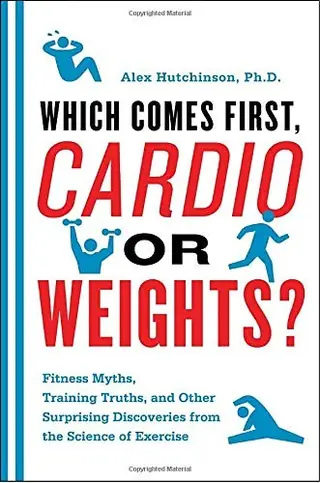
Which Comes First, Cardio or Weights?
Workout myths, Training truths, and Other Surprising Discoveries from the Science of Exercise
by Alex Hutchinson · first published 2011
4mentions
3recommended by
4HN commenters
2014–2021first – last mentioned
75% recommend25% neutral
Presents the latest research on commonly held beliefs about such topics as fitness routines, weight management, aerobic exercise, strength training, injuries, and aging.
Affiliate links. As an Amazon Associate I earn from qualifying purchases.
An excellent book called Which Comes First, Cardio or Weights? by Alex Hutchinson discussed that research and more recent research that followed up on it. Basically the gains from those two types of training come from improving different pathways, which explains…
on “High Intensity Training Improves Health, Physical Function in Middle Aged Adults” ↗…from the chaff. Quick search found this one on stretching [1] from him. Foot strike and mechanics is a much more complicated area AFAIK. He also wrote a fantastic book on the state of sports science "Which Comes First, Cardio or Weights? Fitness Myths, Training Truths, and Other Surprising Discoveries from the Science of Exercise" [2] which I highly recommend if you're interested in hearing about the source studies (and their limitations).…
on “How to Start Running” ↗I found this to be pretty interesting: Which Comes First, Cardio or Weights?: Fitness Myths, Training Truths, and Other Surprising Discoveries from the Science of Exercise by Alex Hutchinson https://www.goodreads.com/book/show/11115311-which-comes-fir...
on “Importance of muscle mass, strength and cardiorespiratory fitness for longevity” ↗…didn't find a higher incidence of osteoarthritis in runners (20%) vs non-runners (32%) after 18 years of running. There is selection bias in this study since the runners were self-selected. The book 'Which comes first, cardio or weights' from A. Hutchinson offers one hypothesis in which running might protect the knees: by limiting weight gain with advancing age. Less weight means less stress on the joints.
on “Run to Stay Young” ↗