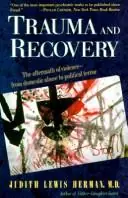
Trauma and Recovery
The aftermath of violence—from domestic abuse to political terror
by Judith Lewis Herman · first published 1901
80% recommend20% neutral
When Trauma and Recovery was first published in 1992, it was hailed as a groundbreaking work. In the intervening years, Herman’s volume has changed the way we think about and treat traumatic events and trauma victims. In a new afterword, Herman chronicles the incredible response the book has elicited and explains how the issues surrounding the topic have shifted within the clinical community and the culture at large. Trauma and Recovery brings a new level of understanding to a set of problems usually considered individually. Herman draws on her own cutting-edge research in domestic violen
Affiliate links. As an Amazon Associate I earn from qualifying purchases.
Sorry to be harsh, but given the replication crisis, we really don't need more made-up guesses on this. If you are truly interested, try reading Trauma and Recovery by Judith Herman. Dense scientific book on just this type of thing.
on “The Troubled History of Psychiatry” ↗> waterboarding, hypothermia, near-drowning, psychological torutre, etc Do yourself a favor and read Judith Herman's book "Trauma and Recovery." You'll quickly understand why your counter-intuitive observation is simply wrong. These things work in special forces training in a way they never could and never will in prisons and hospitals.
on “What if the Secret to Success Is Failure?” ↗Trauma and Recovery by Judith Lewis Herman is the standard academic psychology reference text for understanding CPTSD. It is worth 5000 self help books.
on “Transcending My Father's Abuse” ↗…cathartically. I can explain what has been done to me, but I don't feel it out of deep seated, ancient, shame and fear. I can recommend: - Complex PTSD, Pete Walker - The Tao of Fully Feeling, Pete Walker - Trauma and Recovery, Judith Herman - The Drama of the Gifted Child, Alice Miller
on “Ask HN: Former gifted children with hard lives, how did you turn out?” ↗…almost any human in a state of fear and helplessness long enough and they will develop trauma. Exactly how long, and how, and why — we know more than we did, and you can look it up. Judith Herman’s 1992 “Trauma and Recovery” is groundwork in the field, and responsible for much of our modern thought about it. Do we know exactly which brain regions and neurotransmitters give rise to specific effects? No. TBKTS does make forays…
on “What is trauma? The author of "The Body Keeps the Score" explains [video]” ↗