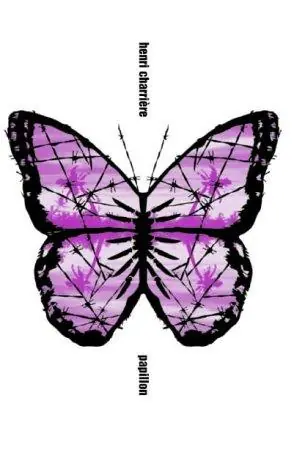
Papillon
by Henri Charrière · first published 1969
10mentions
7recommended by
8HN commenters
2013–2026first – last mentioned
88% recommend13% neutral
Why HN recommends it
First-person prison survival story admired for vivid detail about keeping dignity and small freedoms under harsh conditions. Often recommended to readers facing hard times who want perspective on resilience.
Summarised by Claude from recommending comments
Describes the life of a man sent to prison on a miserable island, Cayena, where escape is impossible. It is a terrible life for him but he finally escapes after much suffering.
Affiliate links. As an Amazon Associate I earn from qualifying purchases.
Hands down: Papillon by Henri Charrière. If you think you are going through a difficult period. If you don't know what resilience means. If you really want to change the way you see life. Read this book. Really.
on “Ask HN: Great fiction books that have had a positive impact on your life?” ↗I don't feel sorry for the guy in Club Fed that tattled on the CIA. If you want some real prison stories read "Papillon": http://www.amazon.com/Papillon-P-S-Henri-Charriere/dp/006112...
on “ Letter from Loretto - A Prison Letter from a CIA Whistleblower” ↗> that it is actually possible for a significant number of prisoners to keep their smuggled items hidden once they get them in Read 'Papillon' by Henri Charrière. The autobiography of a long-term prison inmate. Well written. It's amazing what people do to maintain some small freedoms in a coercive environment.
on “Tiny Phones That Go Inside a Butt (2016)” ↗Papillon and its sequel Banco by Henri Charrière are probably my favorites. Their authenticity is questionable as actual autobiography, but as novels they're fantastic. https://en.wikipedia.org/wiki/Papillon_(book)
on “Ask HN: What is the best autobiography you have read?” ↗…difficult moments and be a little bit more resilient. I also liked how much humanity and dignity the main character has, despite being held in jail in horrible conditions. I can say the same things about Papillon by Henri Charrière. Neuromancer by William Gibson. Fueled my imagination and even gave me a semi-fantastical narrative to live by. Ficciones by Borges. Like others said was mind opening. Poésies by…
on “Ask HN: Great fiction books that have had a positive impact on your life?” ↗Groving up: Papillon (Henri Charrière - 1969) & Samurai! (Saburo Sakai -1957) Lately: Project Hail Mary (Andy Weir - 2021) Obviously: Hackers: Heroes of the Computer Revolution - 25th anniversary edition (Steven Levy - 1984/2010)…
on “Ask HN: What's the "best" book you've ever read?” ↗"Papillon" is a great read. But it's veracity is highly suspect. https://en.wikipedia.org/wiki/Papillon_(book)
on “Ask HN: What's the "best" book you've ever read?” ↗…most. It's older, there may be better more recent appraisals. Robert Harris captures the feverish spying between the armed forces of the time, and competition between agencies inside the state. Even "Papillon" has its Dreyfus moments, Henri Charriere writes of the devils island prisoners making souvenirs to hawke to the credulous- each said to be "once belonged to Dreyfus" Some of the factual elements of…
on “The Affair Rekindled: Dreyfus and the effect it had on a young Marcel Proust” ↗O'Brian wrote a very good biography of Joseph Banks, and was the translator to English of "Papillon" and the followup "Banco" by Henri Charrière, before the film came out. Two books "the Golden Ocean" and "the Unknown Shore" presage much of what is in the Aubrey/Maturin series, writing about the voyages…
on “A Private Life – Nikolai Tolstoy Remembers Patrick O'Brian” ↗…entertained? The books are a bit highbrow and lowbrow. OBrien did a fantastic highbrow biography of Joseph Banks and another of Picasso, but this series is lowbrow. Not as lowbrow as his translation of "Papillon". He was in his youth feed as a quite highbrow up and coming thing. He wasn't Irish, he was an astute fake who left his first wife and reinvented himself in France under an assumed name he came to personify.…
on “Bourdieu's theory of taste: a grumbling abrégé” ↗