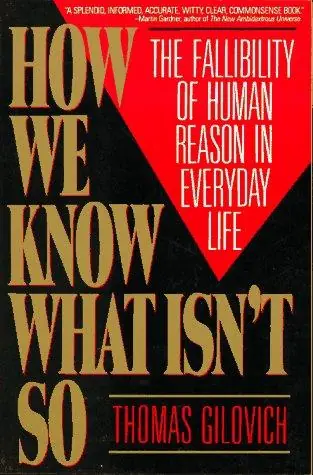
How we know what isn't so
by Thomas Gilovich · first published 1991
75% recommend25% neutral
Discusses the processes through which we become convinced of the validity of questionable or false beliefs such as special psychological powers and New Age health practices.
Affiliate links. As an Amazon Associate I earn from qualifying purchases.
Mentions per year
What Hacker News says
Related books
 2007–2024
Shantaram
Gregory David Roberts
Recommended by 21 · mentioned by 2921 recommend · 29 mention21 recommend · 2921 recommend
 2008–2025
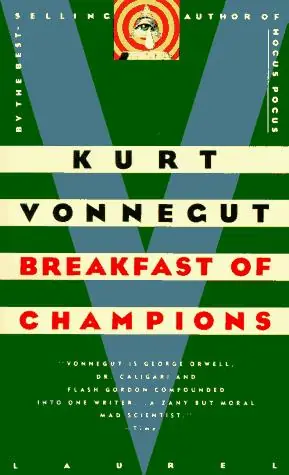
Breakfast of Champions
Kurt Vonnegut, María Medem, Irma Triginé, Daniel Martí i Colom
Recommended by 21 · mentioned by 4521 recommend · 45 mention21 recommend · 4521 recommend
 2008–2026
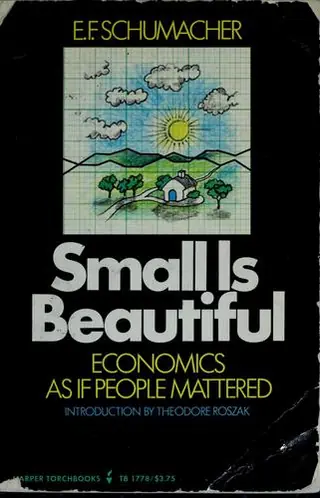
Small Is Beautiful
E. F. Schumacher
Recommended by 19 · mentioned by 3519 recommend · 35 mention19 recommend · 3519 recommend
 2008–2026
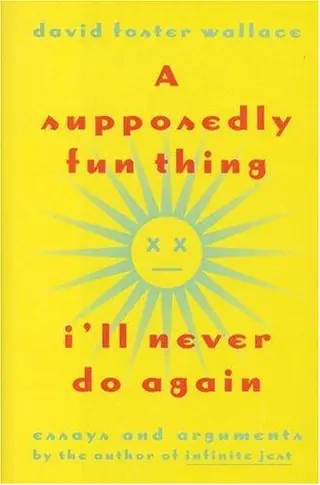
A supposedly fun thing I'll never do again
David Foster Wallace
Recommended by 39 · mentioned by 5139 recommend · 51 mention39 recommend · 5139 recommend
 2008–2026
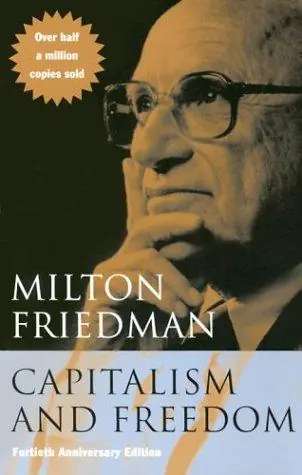
Capitalism and freedom
Milton Friedman
Recommended by 22 · mentioned by 5022 recommend · 50 mention22 recommend · 5022 recommend
 2009–2026
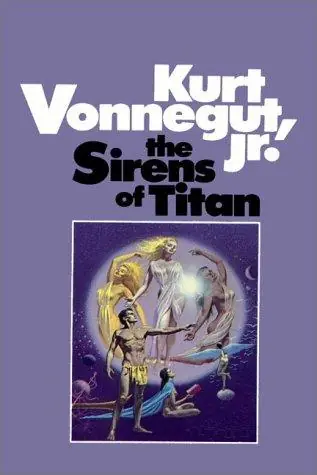
The Sirens of Titan
Kurt Vonnegut, William Teason, Richard M. Powers
Recommended by 40 · mentioned by 6140 recommend · 61 mention40 recommend · 6140 recommend
 2008–2026
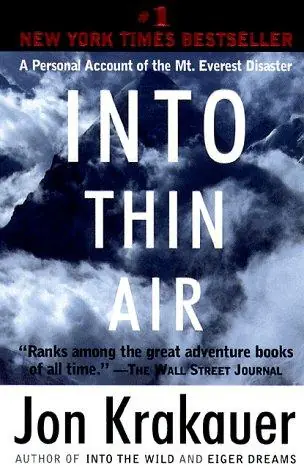
Into Thin Air
Jon Krakauer
Recommended by 69 · mentioned by 8869 recommend · 88 mention69 recommend · 8869 recommend
 2009–2026
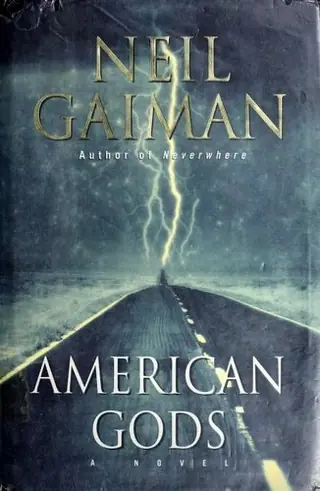
American Gods
Neil Gaiman
Recommended by 35 · mentioned by 8135 recommend · 81 mention35 recommend · 8135 recommend
…act out in daily life with small variations, interpret others' actions in light of performances they have seen before, and collectively build shared narratives in a 'social construction of reality'. How We Know What Isn't So: The Fallibility of Human Reason in Everyday Life by Thomas Gilovich. A grand tour of the fallibility of homo economicus, and reality torturing heuristic shortcuts that lead us astray. Influence: The…
on “Ask HN: Good books?” ↗Here are some nonfiction books that I've enjoyed. How We Know What Isn't So: The Fallibility of Human Reason in Everyday Life - Gilovich - a good book on the inability of the human mind to accept things as random. Crucial Conversations: Tools for Talking When Stakes are High…
on “Ask HN: Summer Reading Recommendations?” ↗…Falsely Now https://www.youtube.com/watch?v=euzoOkBUzsQ List of Cognitive Biases https://en.wikipedia.org/wiki/List_of_cognitive_biases https://www.visualcapitalist.com/wp-content/uploads/2021/08/... How We Know What Isn't So: The Fallibility of Human Reason in Everyday Life Paperback – March 5, 1993 by Thomas Gilovich Sapiens by Yuval Noah Harari Reading most articles from lesswrong.com or slatestarcodex.com Slightly unrelated:…
on “Ask HN: How to start developing critical thinking?” ↗…two-hours/day watching some Netflix movie - this is the same thing. 2) I guess the ones that are based on subjective interpretation instead of objective fact (whatever that is today). There is a book called "How we know what isn't so" (https://www.amazon.com/How-Know-What-Isnt-Fallibility-dp-002...), and it talks a fair amount about humans can clash by developing different interpretations of reality that they think are really real.…
on “Surviving Disillusionment” ↗