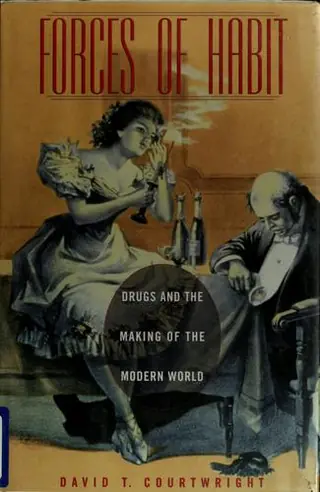
Forces of habit
by David T. Courtwright · first published 2001
4mentions
1recommended by
2HN commenters
2020–2024first – last mentioned
50% recommend50% neutral
Offering a social and biological account of why psychoactive goods proved so seductive, David Courtwright tracks the intersecting paths by which popular drugs entered the stream of global commerce. He shows how the efforts of merchants and colonial planters expanded world supply, drove down prices, and drew millions of less affluent purchasers into the market, effectively democratizing drug consumption. He also shows how Europeans used alcohol as an inducement for native peoples to trade their furs, sell captives into slavery, and negotiate away their lands, and how monarchs taxed drugs to fin
Affiliate links. As an Amazon Associate I earn from qualifying purchases.
You Can't Win by Jack Black (1926) -- about crime and punishment Of Captain Misson by Daniel Defoe (1728) -- about Libertatia Drugs and Rights by Douglas N. Husak (1992) Forces of Habit: Drugs and the Making of the Modern World by David T. Courtwright (2002)
on “Ask HN: What are the best unknown books you have read?” ↗Forces of Habit: Drugs and the Making of the Modern World by David T. Courtwright (2002) provides another interesting perspective. https://www.hup.harvard.edu/catalog.php?isbn=9780674010031&c...
on “The Swinging 1660s” ↗Also see Forces of Habit by David E. Courtwright for discussion about why coffee has been so commercially successful.[0] https://libgen.is/search.php?req=Forces+of+Habit+Courtwright...
on “How coffee became a modern necessity” ↗> As David Courtwright writes in his book Forces of Habit, “factories did for drugs what canning did to vegetables. They democratized them. It became easier, cheaper, and faster for the masses to saturate their brains with chemicals.” This is a really interesting…
on “On 17th century "cocaine"” ↗