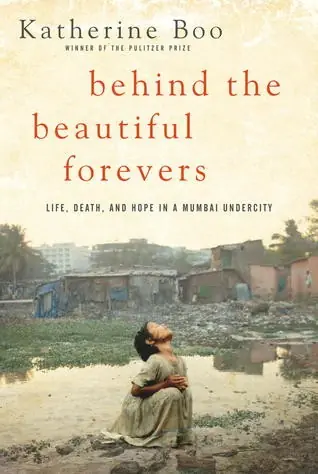
Behind the beautiful forevers
by Katherine Boo · first published 2011
3mentions
0recommended by
3HN commenters
2023first – last mentioned
100% neutral
The dramatic and sometimes heartbreaking story of families striving toward a better life in one of the twenty-first century's great, unequal cities. In this fast-paced book, based on three years of uncompromising reporting, a bewildering age of global change and inequality is made human. Annawadi is a makeshift settlement in the shadow of luxury hotels near the Mumbai airport, and as India starts to prosper, Annawadians are electric with hope. Abdul, a reflective and enterprising Muslim teenager, sees fortune in the recyclable garbage of richer people. Asha, a woman of formidable wit and deep
Affiliate links. As an Amazon Associate I earn from qualifying purchases.
…the expense of the subject of the speech, but because in doing that, they deny some flexibility in how certain topics and persons can be portrayed or portray themselves. The example of the passage from Behind the Beautiful Forevers is compelling in how it illustrates how equity language can be disenfranchising and therefore counter to its own stated purposes. The passage works because it is meant to convey something about the parents'…
on “The moral case against equity language” ↗…getting it right here, but few of us do, because that's highly domain-specific knowledge and tricky to nail down. It's downright dishonest and sensationalistic to apply one of these guides to a book like Behind the Beautiful Forevers. What does a communications guide have to do with book authorship? The article is really just an extended straw man argument. BTW, the first sentence of the Sierra Club guide explains it's intended purpose:…
on “The moral case against equity language” ↗” But the people in Behind the Beautiful Forevers know they’re poor; they can’t afford to wrap themselves in soft sheets of euphemism. Equity language doesn’t fool anyone who lives with real afflictions. It’s meant to spare only the feelings of those…
on “The moral case against equity language” ↗